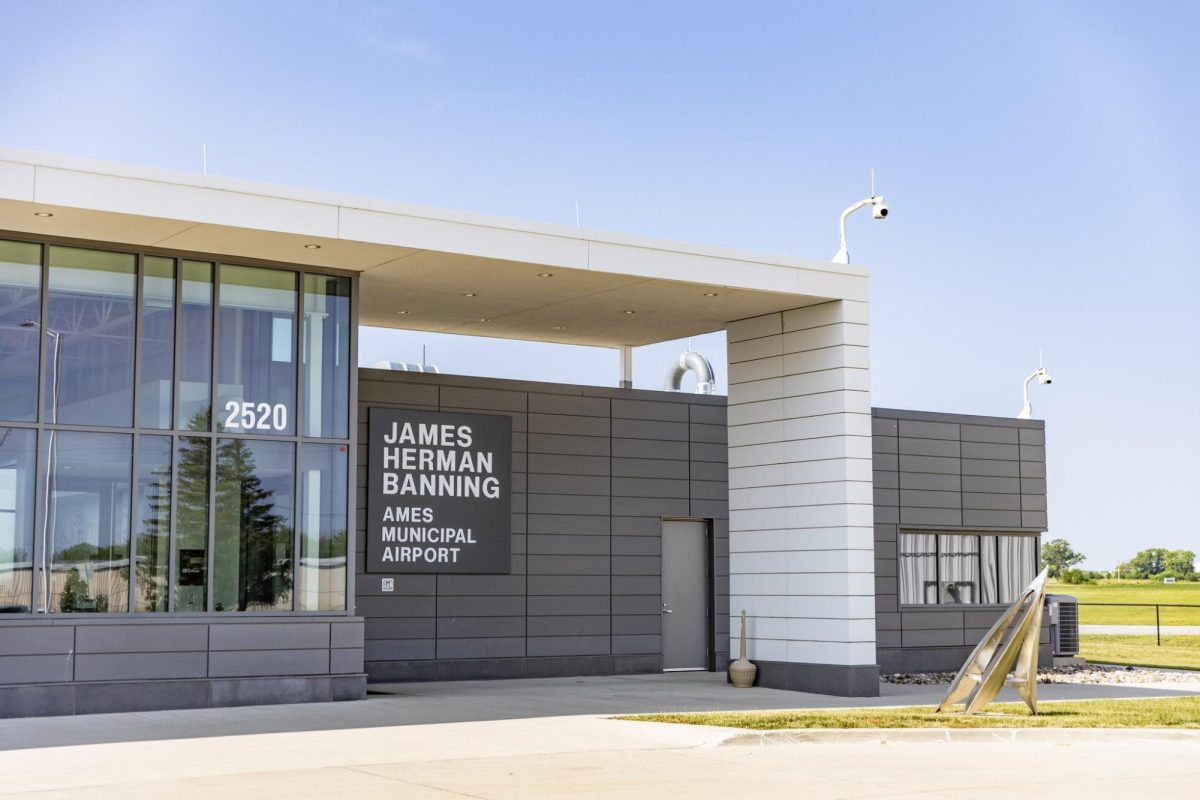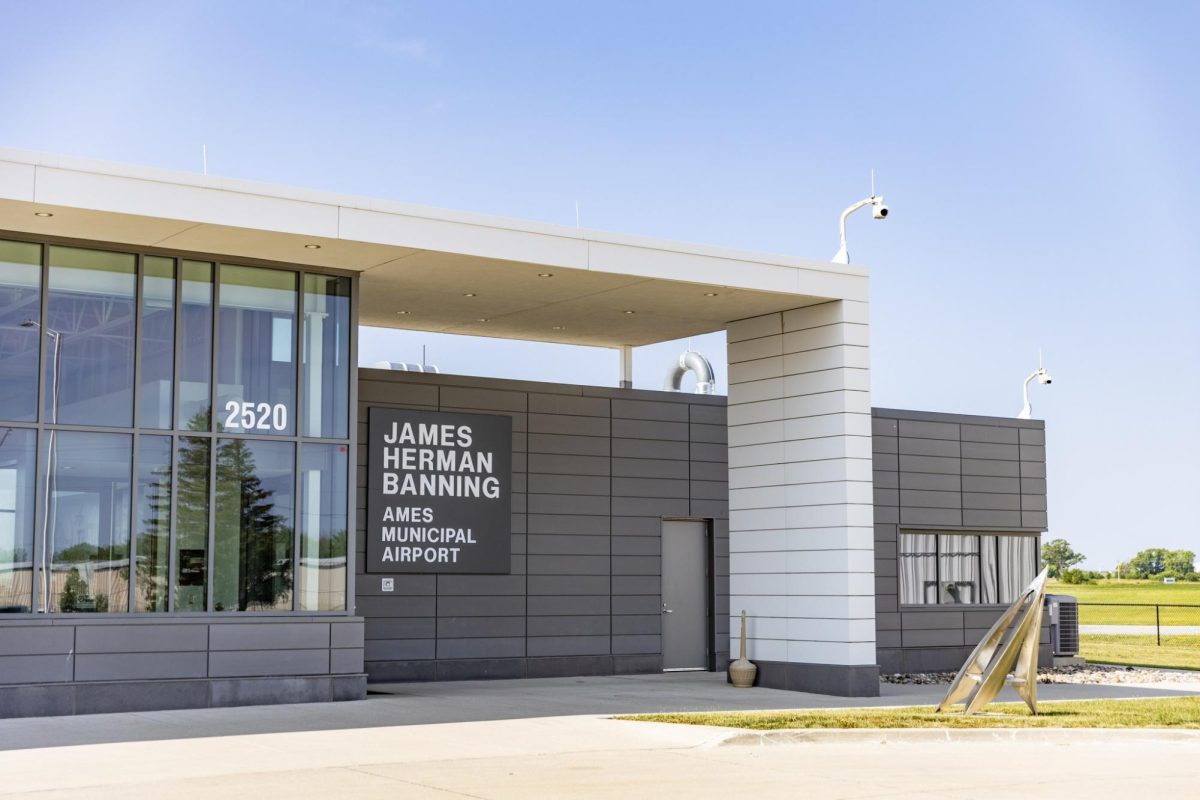

Ames city officials are racing against a July 4 federal deadline to secure a solar energy project at the James Hermann Banning Ames Municipal Airport. If they miss that deadline, the cost of the electricity could jump 30%, potentially killing the deal.
The Ames City Council met for a special workshop Tuesday because it was asked to approve a lease option as soon as May 12. This would allow a private developer to begin work on a solar farm of up to 24.9 megawatts on roughly 165 acres of airport property.
The developer, Recall Strategies, working through a subsidiary called Ames Greenfield Development Co., estimated the electricity price at about 7.65 cents per kilowatt-hour over a 20- to 25-year agreement, but only if the project qualifies for federal tax credits.
Timeline for action
To meet the federal safe harbor deadline of July 4, Recall must have a signed lease and complete roughly 100 hours of physical labor and $100,000 worth of work on the site.
The last feasible date to sign the lease and meet those requirements is May 12, the developer told city staff. This means the council would need to set May 12 as a hearing date when it meets April 28. The council voted to put the item on the April 28 agenda.
Lease negotiations likely will not be finished until just before that May 12 meeting, leaving council members little time to review the final terms, city staff said. Staff also noted the solar project, while promising, is secondary to the city’s larger priority: the $190 million power plant replacement project already underway.
Staff outlines several significant problems
The most pressing issue with the project is the electrical connection. Plugging a 24.9-megawatt solar farm into Ames’ existing distribution network would likely require a new electrical substation, estimated at $4 million.
That cost would fall on the city’s electric utility, not the developer. Without the substation, the project could be trimmed to 12 to 14 megawatts, which would still require burying a large power line near the airport at an estimated cost of $2 million. Without either improvement, the utility could absorb only about 2 to 4 megawatts of solar power.
Federal Aviation Administration (FAA) requirements add another layer of uncertainty. The city must ensure solar panels do not interfere with airport operations and must be able to remove infrastructure in the future if the FAA demands it. Staff warned this uncertainty would likely push the electricity price higher once final terms are negotiated.
The proposed lease-option agreement would carry no financial obligation for the city. If Ames ultimately declines to sign a power purchase agreement, a separate contract that would lock in the electricity price, the land lease would simply end. The city would not owe the developer anything for its preliminary work or studies.
Why more solar?
The council is trying to find other forms of energy.
The city’s existing wind energy contract with NextEra Energy Resources expires in February 2030 and currently costs about $5.6 million per year. City staff began searching for replacement renewable energy in 2024 but received no proposals. Staff eventually identified Recall Strategies as a developer willing to pursue a utility-scale solar project tailored to Ames.
The proposed airport site is appealing partly because portions of the property are already unusable for other development due to their proximity to flight operations. The solar panels would be designed to track the sun throughout the day, maximizing energy output.
If completed, the solar farm would supply about 8.8% of Ames total electrical load at an estimated annual cost of roughly $4 million or slightly less than the expiring wind contract and at a lower cost per megawatt-hour.
Next meeting: The next regularly-scheduled city council meeting is 6 p.m. Tuesday at the Ames City Hall, 515 Clark Ave.