This series of public land profiles seeks to highlight the cool places where you can spend time in the outdoors in Story County. To learn more, visit Story County Conservation at McFarland Park or go to the Story County Conservation website.
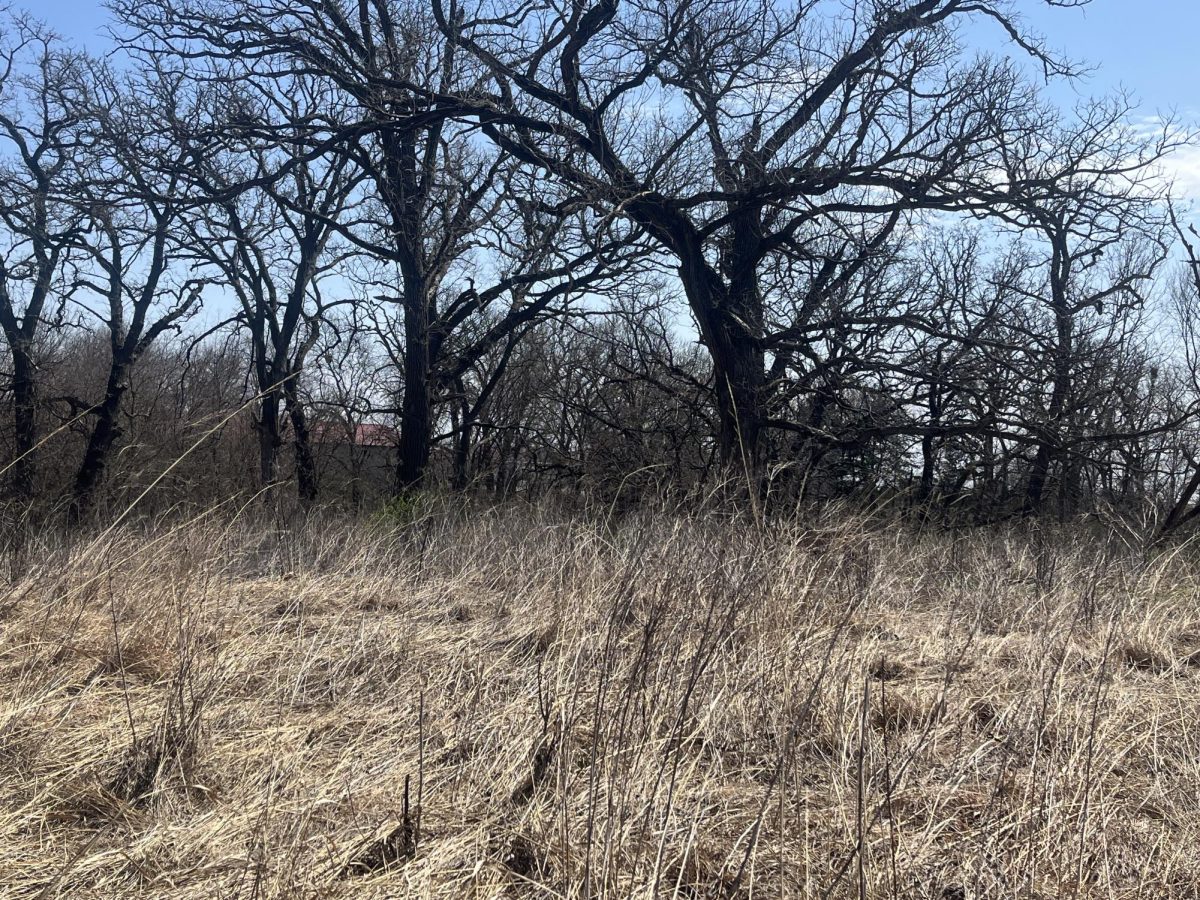
Carroll Prairie is an excellent example of what can happen when people choose to do the “right thing.” This nearly 50-acre area was purchased by Ames resident Lorna Carroll in 1999. Over time, after management of invasive species became difficult, she worked with the Iowa Natural Heritage Foundation and Story County Conservation to transfer the land to public ownership, for less than the appraised value. In 2018 the land was opened to the public.
As Lorna Carroll recently told me: “It’s time to recognize that nature needs our help.”
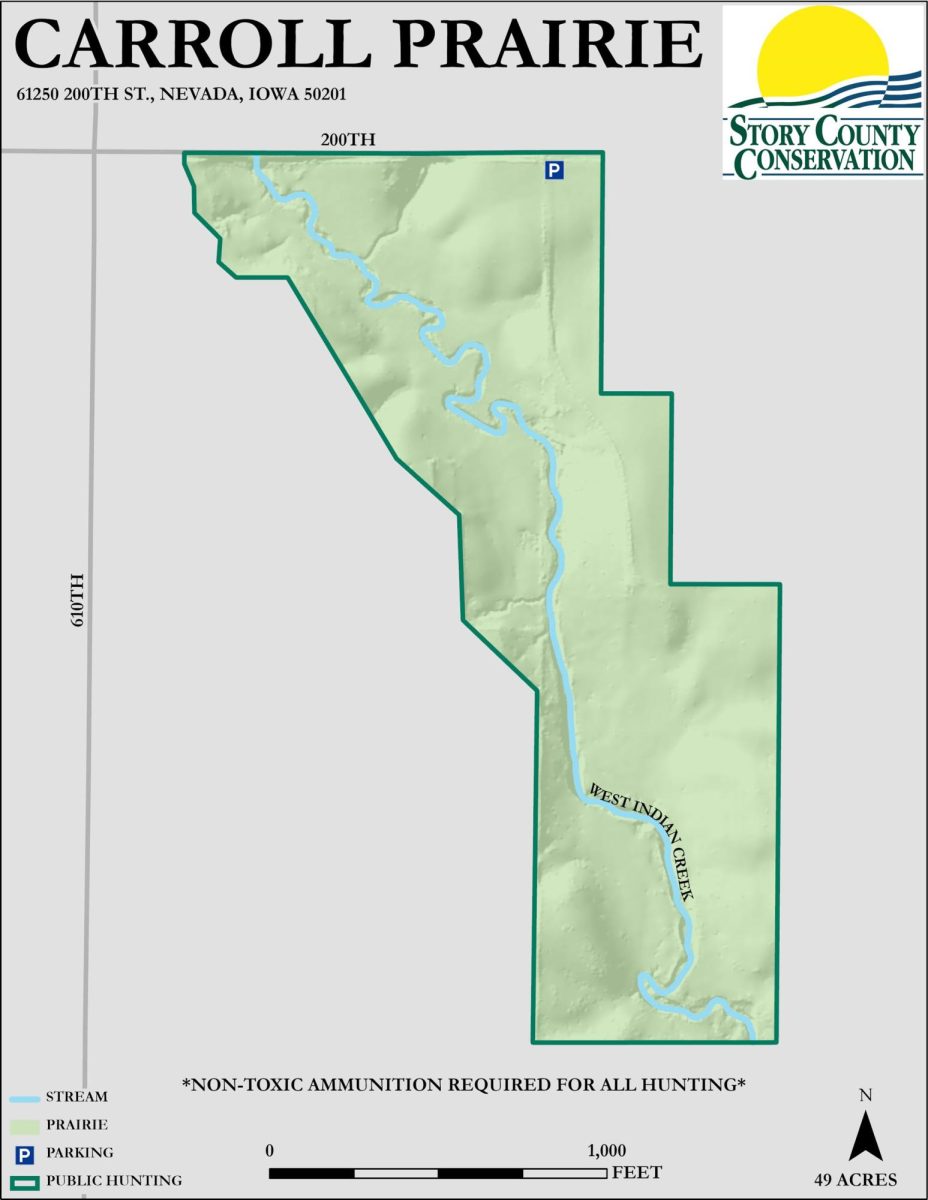
Location: Heading east of out Ames on 13th Street and after passing underneath I-35, the first left turn is 570th Avenue. Continue north on 570th Avenue for two miles and then turn right onto 200th Street. Just over four miles on 200th allows you to park at the Carroll Prairie access.
Ecology and Flora
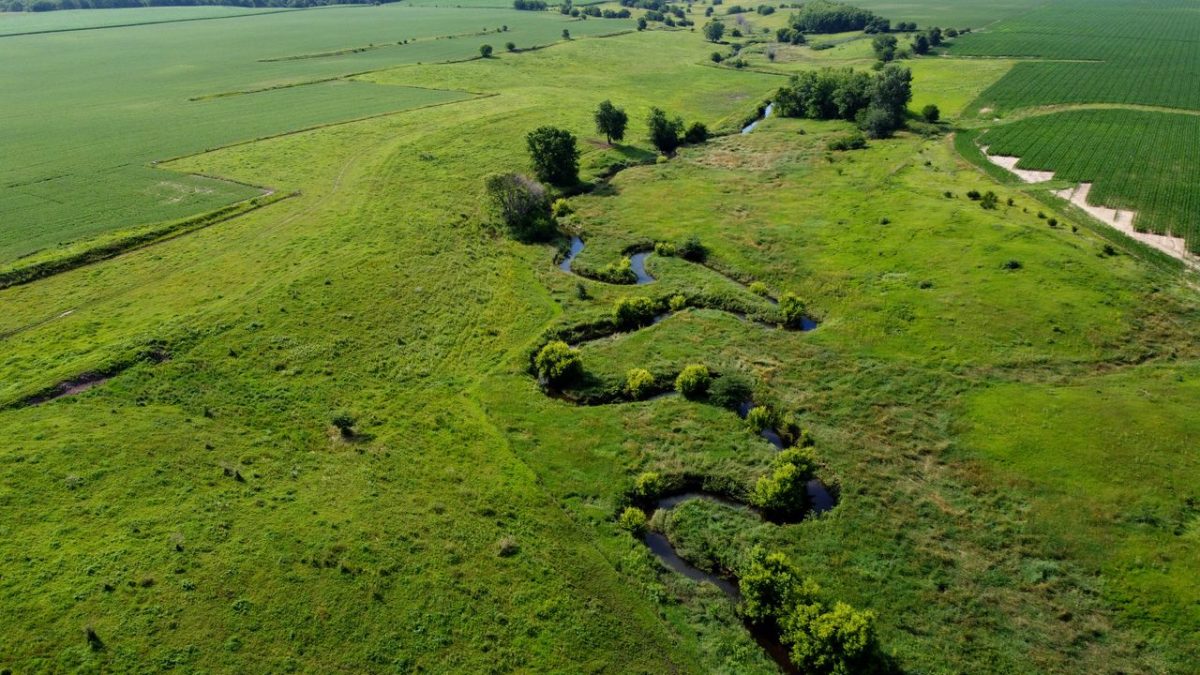
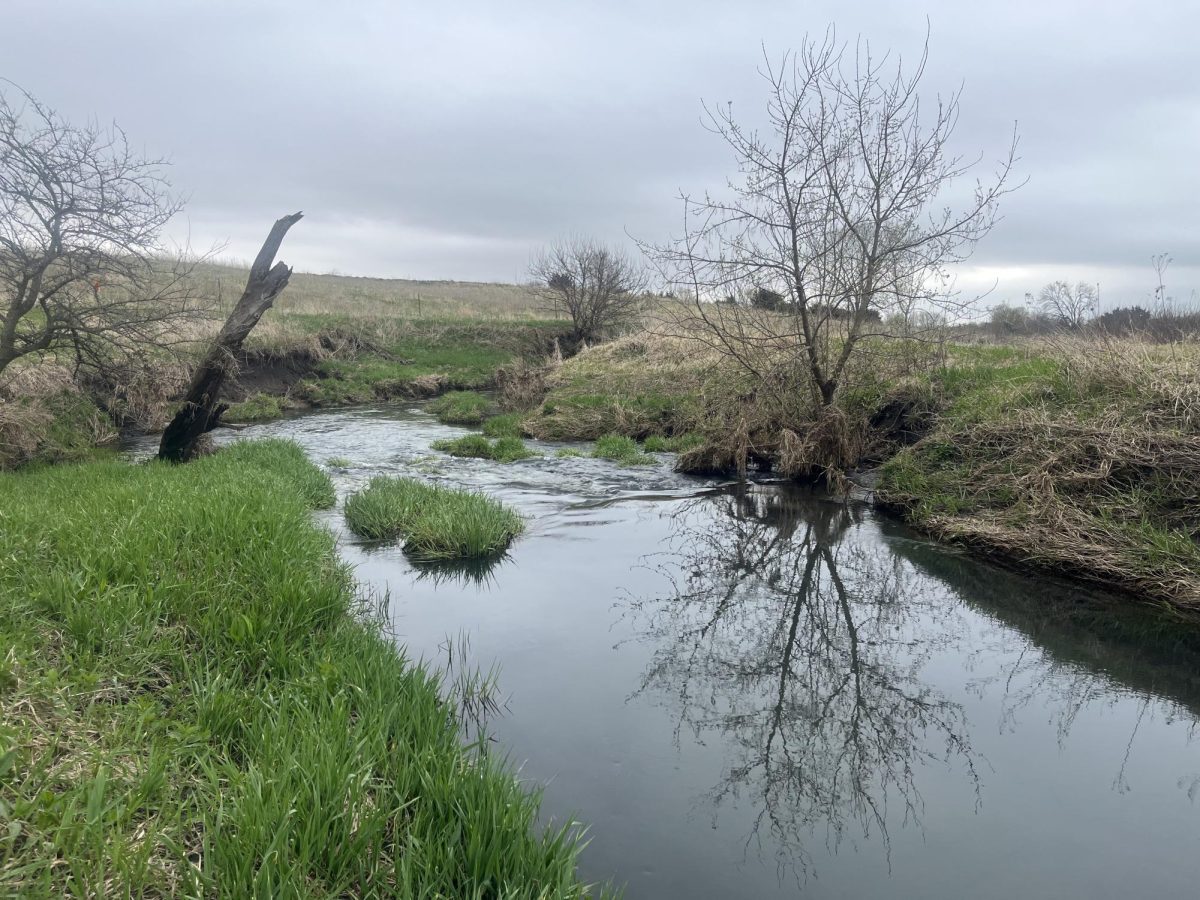
Carroll Prairie straddles a meandering section of West Indian Creek. The area includes two native prairie remnants surrounded by a larger area that was used as cattle pasture. Prior to European settlement, large areas of Iowa were maintained as tallgrass prairie by two powerful forces: fire and grazing by large herbivores. These forces minimized encroachment by woody species and provided nutrients for the growth of prairie plants. The fires were started both by lightning and by indigenous people. The large herbivores were primarily bison and elk. Today prescribed fires are used to maintain and improve both remnant and reconstructed prairies.
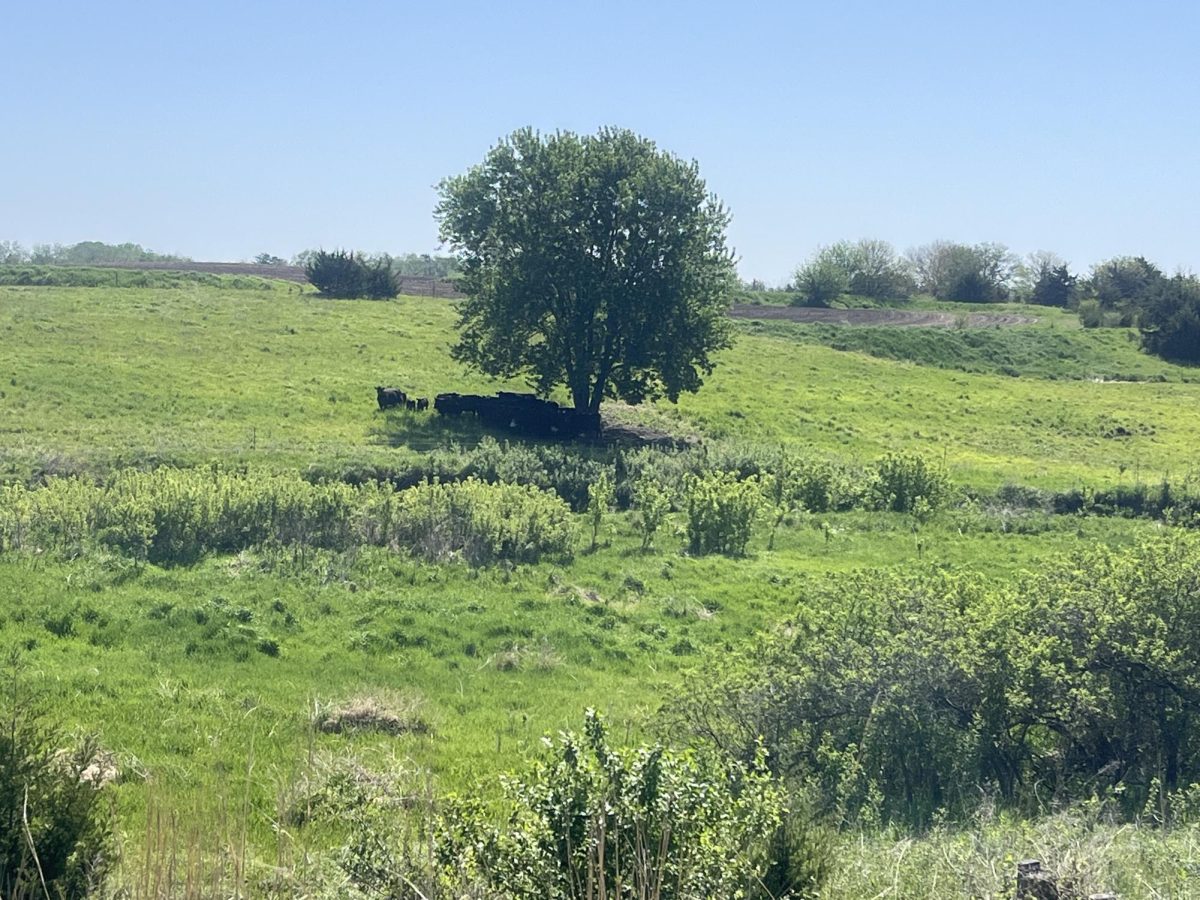
There are no free-range bison or elk in Iowa today. But when grazed at appropriate densities and at appropriate times, cattle can mimic the benefits of bison and elk on prairies. Story County Conservation uses targeted grazing by cattle to improve habitat quality, and discourage the growth of non-native pasture grasses such as smooth brome grass and invasive species such as reed canary grass at Carroll Prairie. These species are “early season grasses” and green up earlier in the growing season than the native prairie “late season grasses.” Grazing increases opportunities for native prairie species.
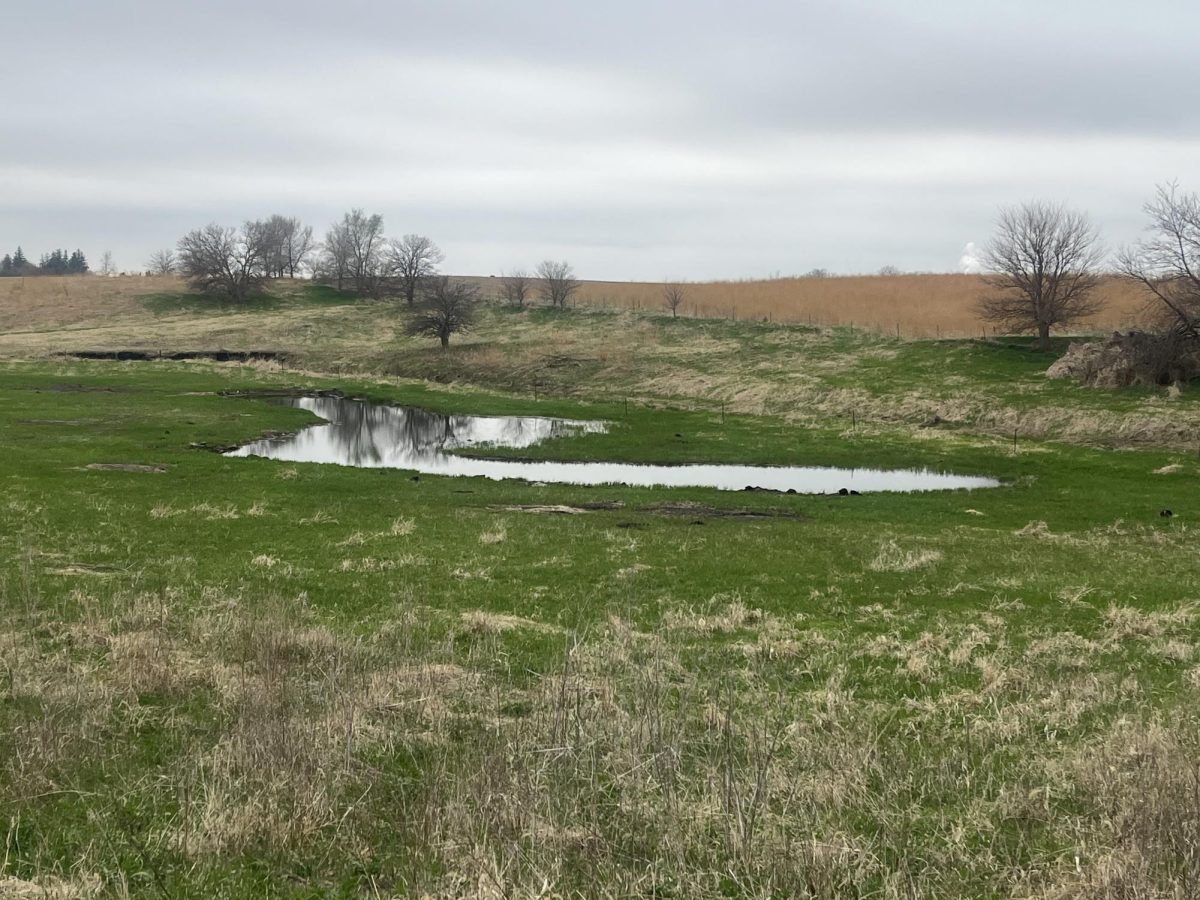
There are also oxbow wetlands along West Indian Creek. “Oxbows” are old stream channels that have been cut off as the creek changes course over time. Story County Conservation, with funding from the Story County Water and Land Legacy Bond, recently completed an oxbow restoration on the property to help filter runoff from the surrounding agricultural fields. Oxbow wetlands also provide valuable habitat for various species of fish, amphibians, reptiles and birds. Chorus frogs have already started using the restored oxbow.
Animals
Huge decreases in grassland habitat for agricultural and urban purposes have, not surprisingly, led to dramatic decreases in the populations of birds that require grassland habitat for their survival. In Iowa, impacted bird species include dickcissels, bobolinks, and western meadowlarks. These species are all present at Carroll Prairie. One of Iowa’s endangered species, the northern harrier — the grey ghost of the grassland — is a bird of prey that primarily hunts by gliding low and silently over grassland and marshy habitats. This striking bird, sometimes referred to as the “grey ghost” has also been observed at Carroll Prairie.
More common bird species such as red-winged blackbirds, bank swallows, and great blue herons are also present at Carroll Prairie. Of course, it’s not only birds that make use of grassland habitat. Mammals such as whitetail deer, cottontail rabbits, meadow voles, and raccoons are also present, as well as a myriad of insect and other invertebrate species.
Nature Walk
There are typically no mowed trails at Carroll Prairie, but don’t let that stop you! That just means that, generally, you can walk anywhere you wish. As of May 2026, however, the east side of Carroll Prairie is closed to public access due to the presence of cattle.
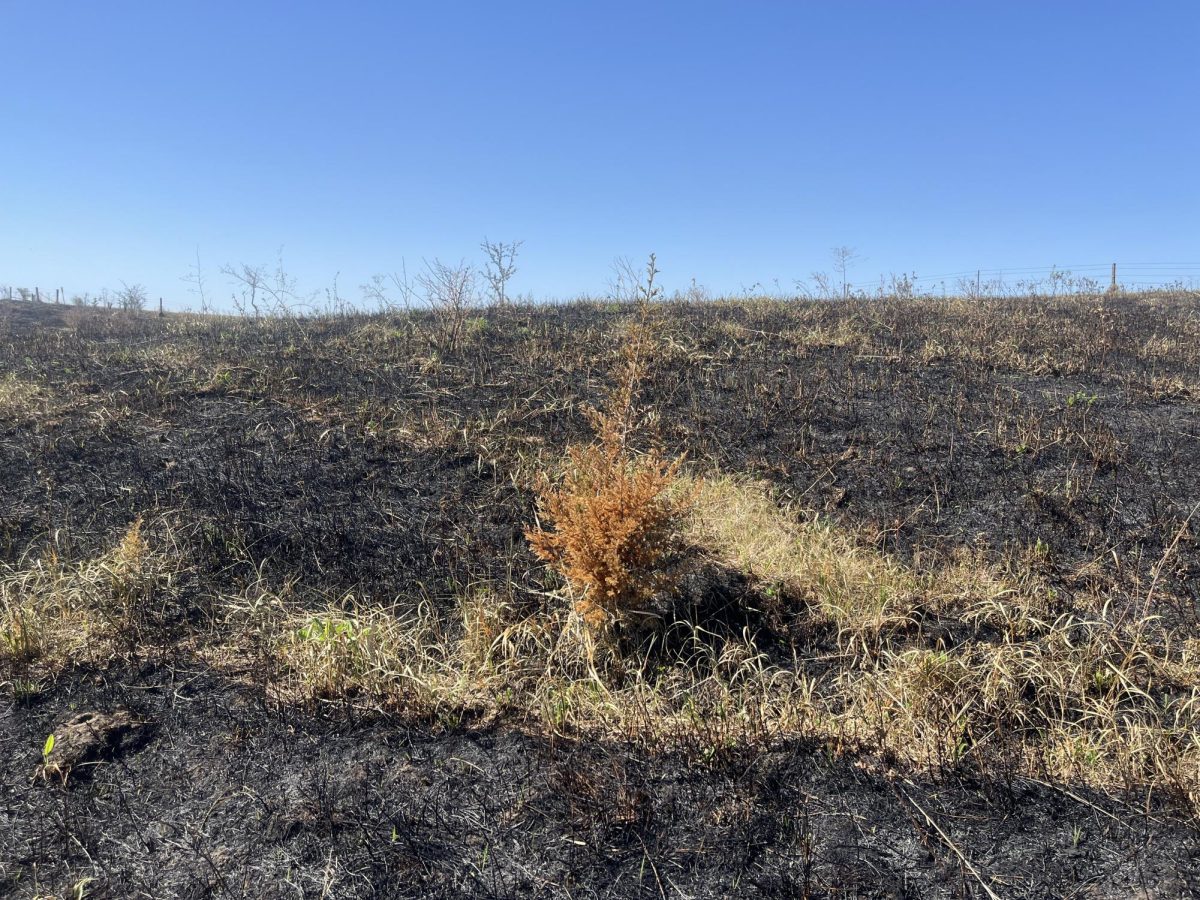
After the cattle do their work, they will be removed from the site, and public access will again be allowed. The north portion of the west side of Carroll Prairie has recently been burned, which makes for easy walking and an opportunity to watch the reinvigoration of the prairie after a fire. Walking along the west border fence to the south leads to one of the native prairie remnants on the site. Last year’s brown tallgrasses will let you know when you’ve arrived. Most prairie plant species flower mid-to-late summer, but some species bloom in spring.
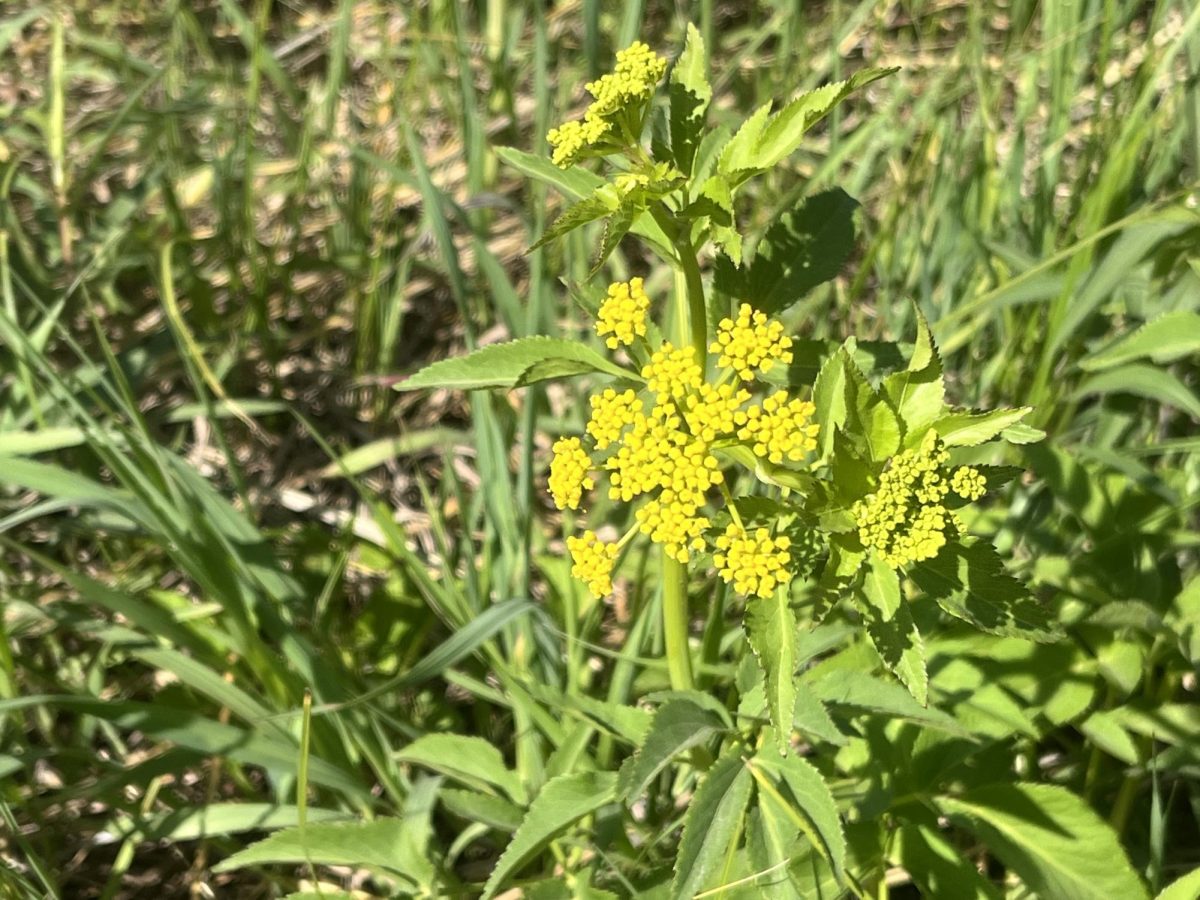
As the season progresses more native prairie plant species will become evident including grasses such as big bluestem and forbs such as lead plant and pale purple coneflower. Also included will be the favorite food of monarch butterfly caterpillars – the common milkweed.

The best time of year to visit the remnant prairie and see native prairie species is likely August. But any time of year, in any weather, there are always cool things to see at Carroll Prairie.
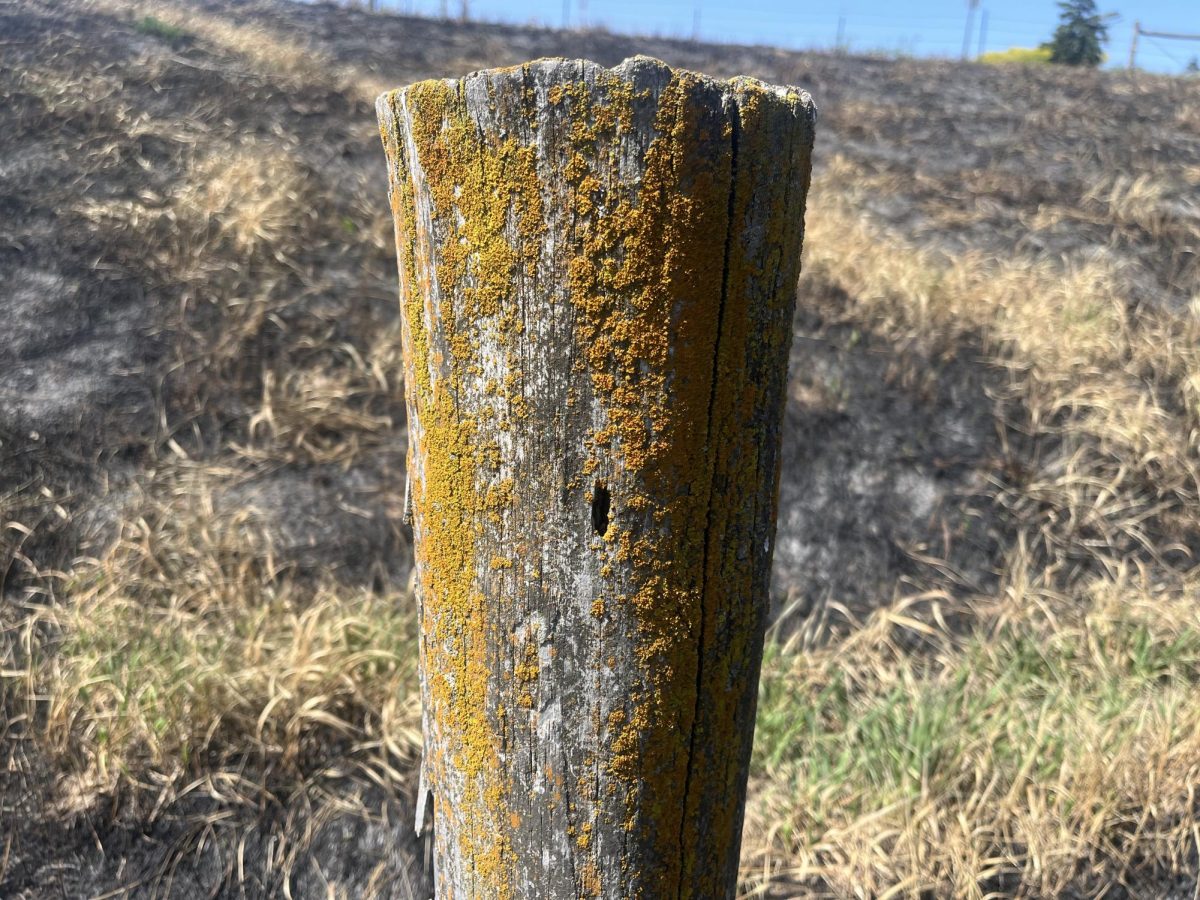
Dogs are allowed at Carroll Prairie, but they are required to be on leash between March 15 and July 15 each year to protect ground nesting birds. Be advised that the east and west portions of Carrol Prairie are divided by West Indian Creek with no easy places to cross. In many spots the creek is deeper than it looks. Don’t ask me how I know that.
Other Activities
I’m not sure what species of fish are present in this section of West Indian Creek. Maybe I’ll try to find out sometime. Public hunting is allowed on Carroll Prairie. The primary species hunted here is the non-native ring-necked pheasant. In the spring one can hear rooster pheasants crowing as they search for hen pheasants. As on all Story County public hunting areas the use of non-toxic shot is required. By pheasant hunting standards, Carroll Prairie is a “small area” that can be thoroughly hunted in an hour or so. But it has good habitat, that is currently being improved, and it’s not unusual to see pheasants there, especially if you have a four-legged hunting buddy to help you.
Pheasant season in Iowa runs from the last Saturday in October until Jan. 10 each year. Hunters and non-hunters are welcome at any time of year, but if you’re planning to visit during pheasant season and find a group hunting there it’s probably best to be respectful and choose to visit on another day.
—Jim Colbert is an avid outdoorsman, member of the Story County Conservation board of directors and retired biology professor at Iowa State University. You can also follow him on Substack.