This series of public land profiles seeks to highlight the cool places where you can spend time in the outdoors in Story County. To learn more, visit Story County Conservation at McFarland Park or go to the Story County Conservation website.
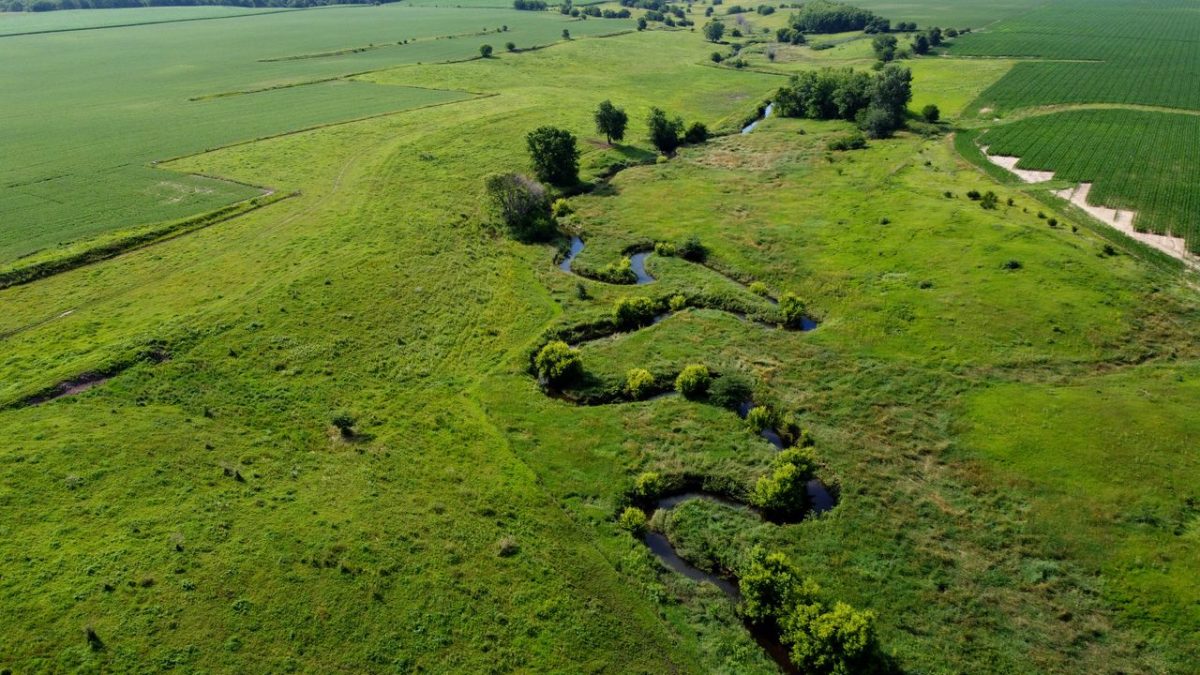
Perched on a low ridge a little north of Ames and just west of the South Skunk River sits a little “postage stamp-sized” natural area called Leopold Woods. Managed by Story County Conservation, this 22-acre property was acquired from Don Norton in 2007 and named in honor of Aldo Leopold, a native Iowan and renowned conservationist, who spent much of his career at the University of Wisconsin-Madison.
Ecology and flora
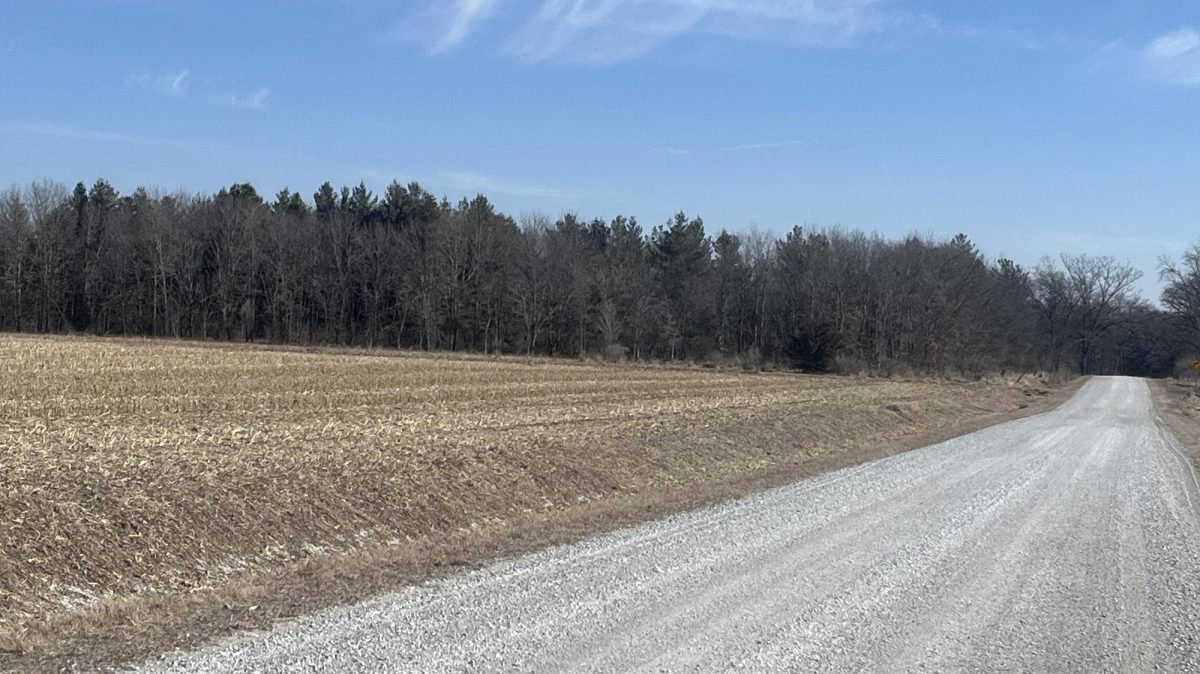
Leopold Woods is surrounded by privately held wooded areas on the south, east, and north. The west side is bordered by a large row crop field. Although small, Leopold Woods makes for an interesting visit. The area is primarily a woodland, but there are also small patches of remnant prairie. Several common species of native central Iowa trees are present including red oak, bur oak, black cherry and honey locust.

There are also some native tree species present that are less common in central Iowa. White pines are more common in northeast Iowa and river birches are more common along rivers and streams in eastern Iowa, but both species are present at Leopold Woods.


Animals
There are doubtless many species of animals that use Leopold Woods, everything from earthworms, insects and spiders to birds and various mammals including cottontail rabbits and white-tailed deer. In late winter the presence of deer is especially obvious. Deer trails meander through the woods, usually revealing the course of least resistance for people.


Nature Walk
Other than a parking area, there are no “amenities” at Leopold Woods, including no maintained trails. This presents an opportunity for unconstrained creativity in navigation. This opportunity also leads to an appreciation for the impacts of non-native and invasive species in Iowa. Much of Leopold Woods includes a shrubby understory of two non-native species: bush honeysuckle and autumn olive. These species are problematic because they can outcompete native woodland species. They can also make it difficult to walk around in some parts of Leopold Woods – especially when these shrubs have their leaves. As a result, the best time to visit is probably winter through early spring. One of the advantages of visiting at that time of year is that the lichens living on tree bark can be quite easy to spot.

Other Activities
Having a mixture of deciduous trees, coniferous trees and a shrubby understory interspersed with prairie remnants provides excellent habitat for bird watching, especially in winter. Many species of birds, including eastern bluebirds, can be seen. Leopold Woods is a refuge so no hunting other than controlled archery deer hunting is allowed on the property.

—Jim Colbert is an avid outdoorsman, member of the Story County Conservation board of directors and retired biology professor at Iowa State University. You can also follow him on Substack.