As we are in the summer season and outdoor activity increases around Ames, many people take part in recreational sports and fitness activities. Whether it’s golf, tennis, pickleball, jogging, cycling or simply spending more time outdoors, summer can bring an increase in physical activity levels.
While returning to activity is beneficial for overall health and wellness, it can also place unexpected stress on the body if individuals are not physically prepared. Even recreational activities can challenge the musculoskeletal system through repetitive movements, increased walking or running, rotational forces and rapid changes in direction.
From a clinical standpoint, some of the more common activity-related injuries we see include ankle sprains, Achilles tendon irritation or strain, knee pain and overuse injuries, low back pain, rotator cuff and shoulder strain, tennis elbow and muscle strains involving the calf, hamstring or hip.
These injuries often occur due to a combination of deconditioning, muscle imbalances, reduced flexibility, limited joint mobility and impaired balance or coordination following a more sedentary winter period. A rapid increase in activity volume or intensity can also contribute to overuse symptoms.
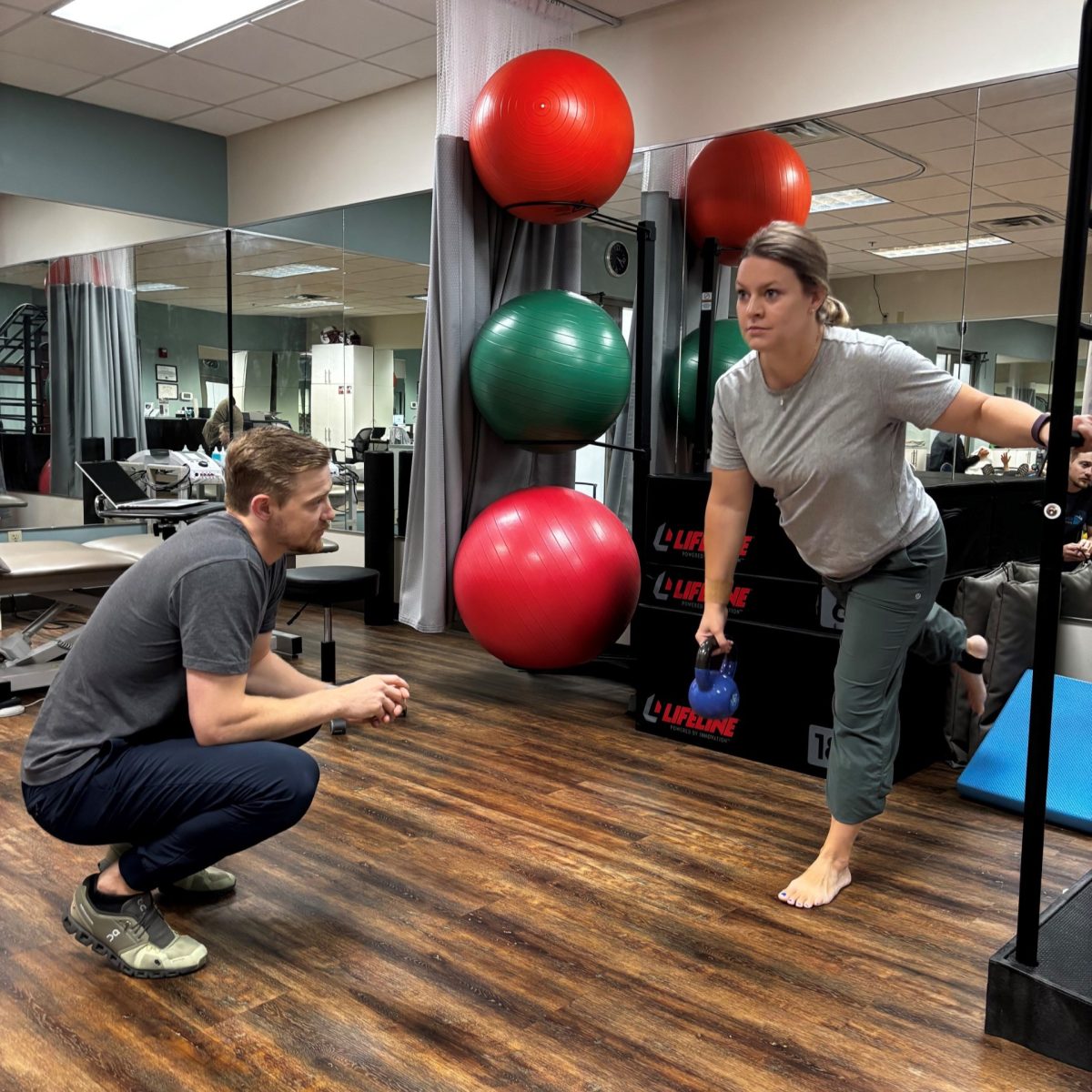
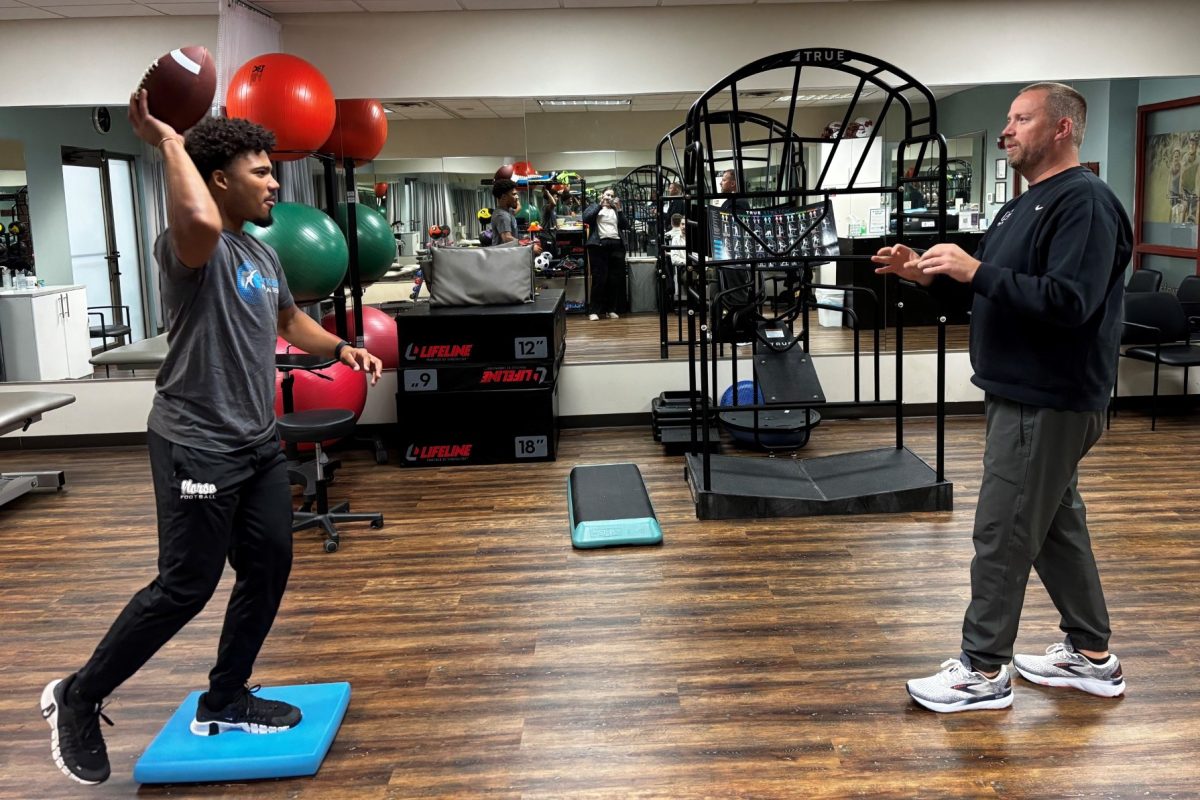
As physical therapists, we emphasize both injury prevention and performance optimization. Preparing the body before returning to seasonal activities can significantly reduce injury risk. We often recommend beginning activity with a simple warm-up, such as five to 10 minutes of walking or light movement, to gradually increase circulation, improve mobility and prepare the muscles and joints for exercise or sport.
A movement assessment can also help identify physical limitations or movement patterns that may contribute to pain or injury. Addressing these issues early allows individuals to move more efficiently and safely as activity demands increase.
When pain or discomfort develops, early intervention is important. Prompt evaluation can help identify underlying biomechanical contributors before a minor issue progresses into a more persistent condition. Treatment focuses not only on reducing symptoms, but also on restoring mobility, rebuilding strength and improving movement mechanics to support long-term activity participation.
Our goal as physical therapists is to help active adults safely enjoy the activities they value most. Treatment and prevention strategies are individualized and evidence-informed, with an emphasis on addressing root causes rather than simply managing symptoms.

Summer is an excellent opportunity to become more active and reconnect with outdoor recreation. With proper preparation, gradual progression, and early attention to symptoms, individuals can safely enjoy the physical and social benefits of an active lifestyle throughout the spring and summer months.
—Andy Koester is a physical therapist at Kinetic Edge Physical Therapy.