
Updating Ames’ aging power plant could cost $190 million.
That’s more than double early estimates and every electric customer in the city would help pay for the project through annual rate increases stretching to 2057.
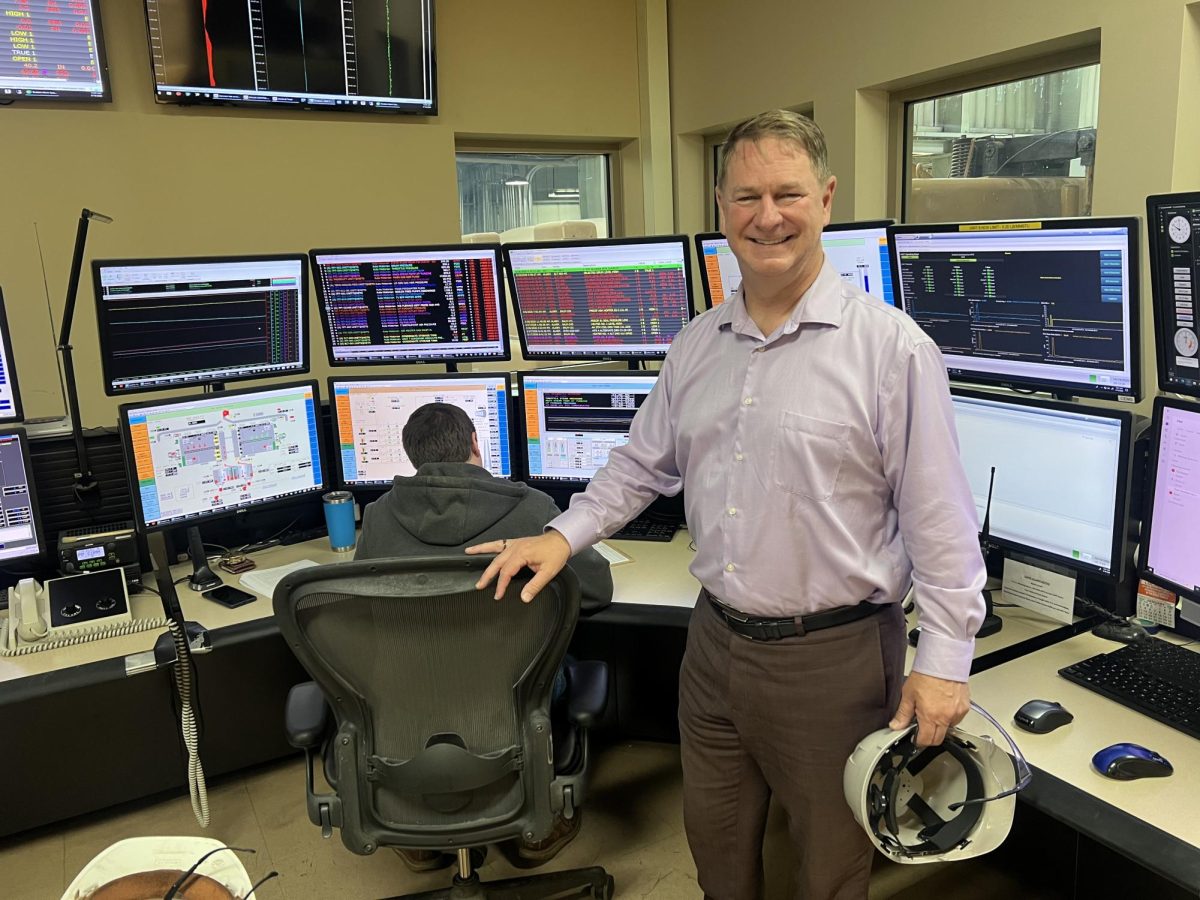
The project would tear down two outdated boilers and replace them with three modern, engine-powered generators built on the city’s old coal yard site, City Utilities Director Don Kom told the Ames City Council at a special meeting on Tuesday.
The work is not optional: if the existing units fail before replacements are ready, Ames could face emergency power costs in the millions of dollars per season.
For a typical residential customer, the plan means about $1.44 more per month beginning in the 2026-27 fiscal year, with 2.5% increases continuing through 2044 followed by 1.5% increases through 2057. Small businesses would see roughly $15 added to their monthly bills while large commercial customers — such as factories and big-box stores — would pay approximately $159 more each month.
Aging equipment, growing risk
The city’s two main power producers are Unit 7, built in 1967, and Unit 8, built in 1982. Together they produce 98 megawatts of electricity, but both are increasingly prone to breakdowns. Ames operates within the Midcontinent Independent System Operator (MISO), a regional authority that oversees electrical transmission across much of the Midwest. MISO requires member utilities to maintain generating capacity equal to 109% of their five-year average peak demand.
Ames and Iowa State University are counted together under MISO rules. Their combined peak demand requires 166.3 megawatts of available power, but current resources cover only 165.5 megawatts. That 0.8-megawatt shortfall already triggers a fee payment. If Unit 7 failed completely, the gap would swell to 33 megawatts. At last summer’s auction prices, covering that shortage for one season would have cost the city close to $2 million.
With power shortages growing across the Midwest, those prices are expected to climb. Current projections anticipate demand to grow 1% per year.
City staffers evaluated three paths forward: pay the MISO auction prices indefinitely, buy power through a long-term contract with another utility or build new generators. They recommended building, citing long-term cost stability and the advantage of keeping control of the city’s own power supply.
How the estimate doubled
Two years ago, engineering firm HDR put the project at $84 million. That was a rough planning figure, accurate only within a range of $42 million to $168 million. The city hired Sargent & Lundy in October 2025 to produce a detailed design and updated estimate and the firm reported in March that the true cost was $190 million.
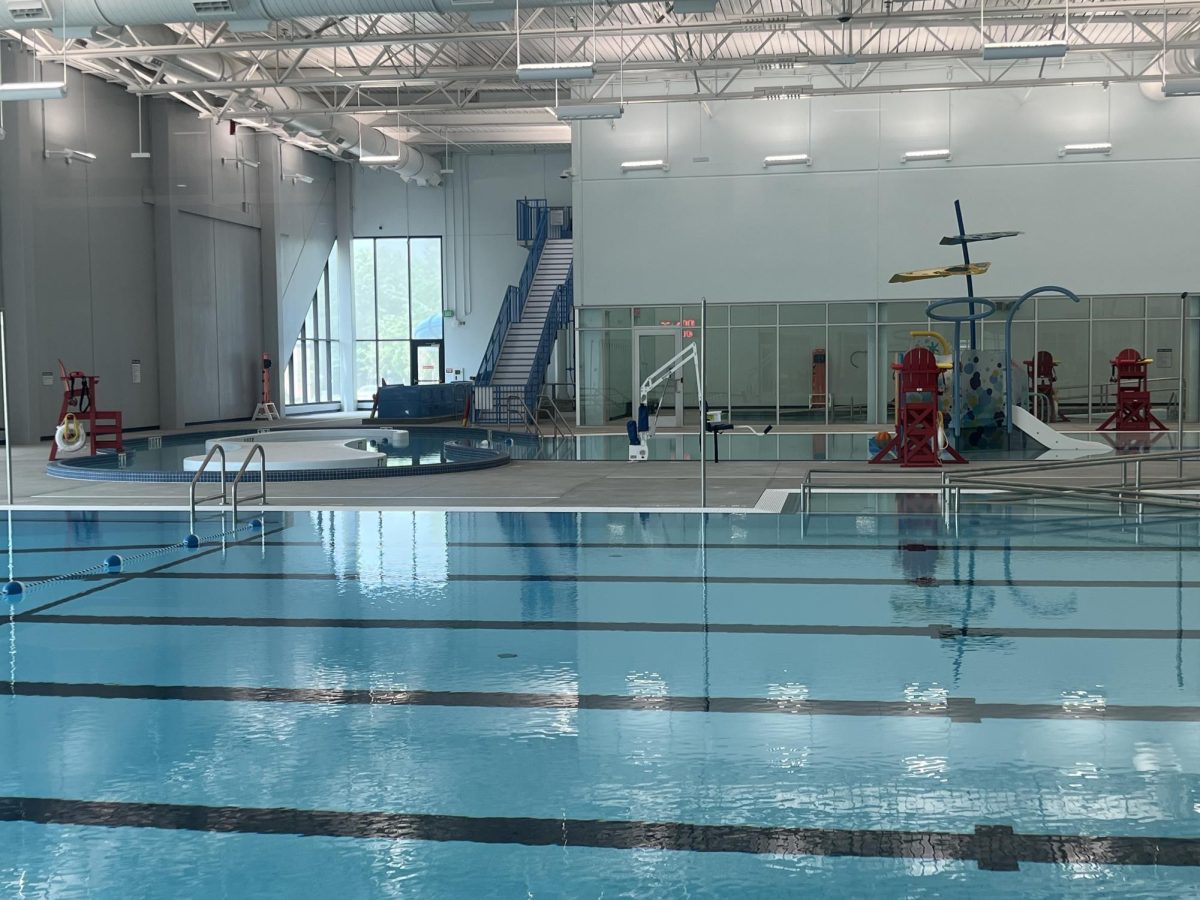
City staff sought independent checks on that number. DGR Engineering of Rock Rapids, which is currently building a similar plant for another Iowa utility, estimated the project at $161 million. Local firm Stecker-Harmsen Inc., which also reviewed costs for the Fitch Family Indoor Aquatic Center, called the Sargent & Lundy estimate thorough but conservative. Both reviews led staff to conclude that $190 million is a realistic worst case, and that Iowa construction costs are actually favorable compared to other parts of the country.
Trash burning ends and saves millions
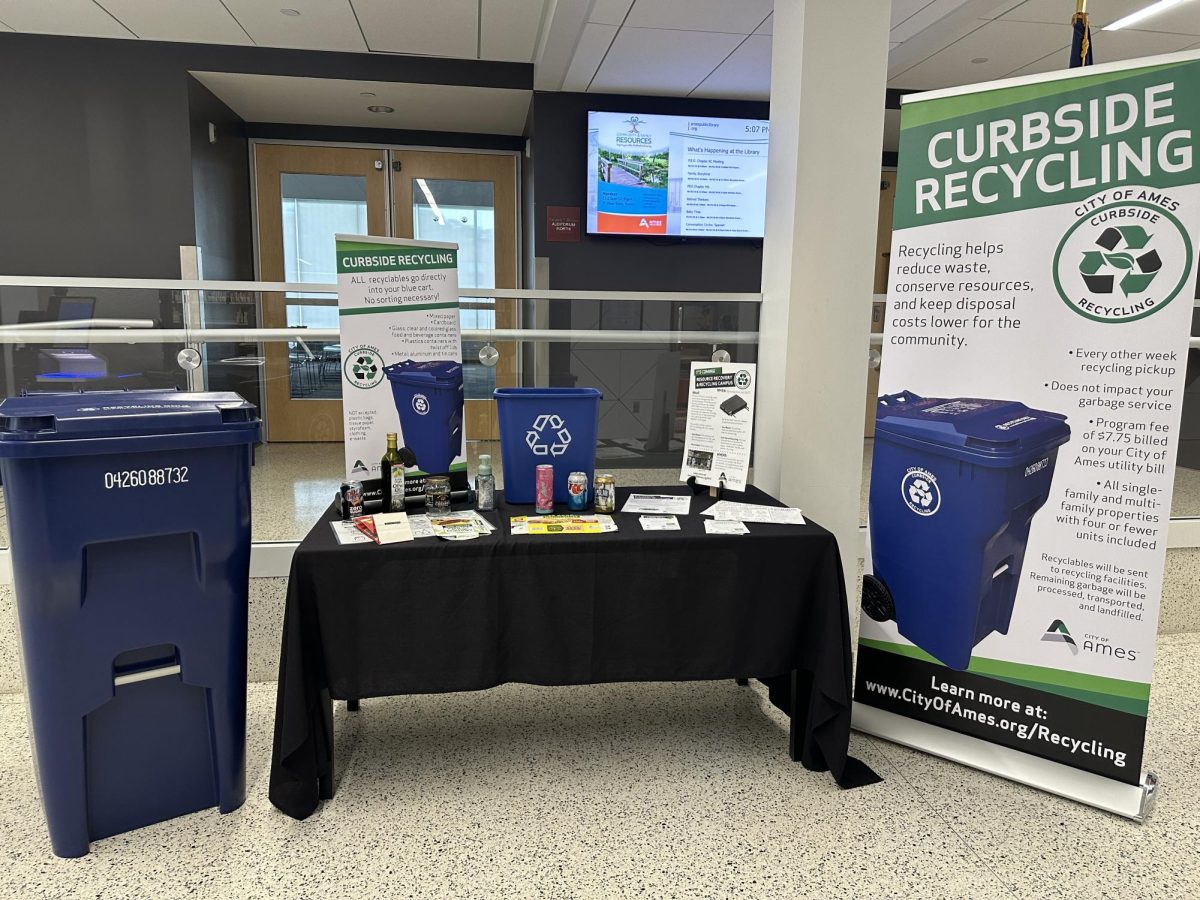
A major piece of the financial strategy involves the city’s plan to stop burning processed trash at the power plant. That practice is set to end in spring 2027 when the new Resource Recovery and Recycling Campus opens. Ending trash combustion is projected to save the electric utility about $12.08 million per year — nearly enough to cover the estimated $12.5 million annual debt payment on the new generators. In March, the council approved a curbside recycling program launching in July.
The savings come from several sources: eliminating payments to the recycling operation for fuel, cutting ash disposal costs, dropping specialized maintenance contracts worth about $2.11 million annually, reducing natural gas purchases (a $6.42 million savings) and lowering property insurance premiums by up to $500,000 per year. Rather than return those savings to customers as lower bills, staff recommends applying them directly to bond payments — a move that makes the 2.5 % annual rate increases possible instead of sharper hikes.
Next steps
The city’s financial adviser recommends starting with a $95 million construction line of credit, drawing funds as work progresses rather than borrowing everything up front. Once that line is exhausted, Ames would issue a fixed-rate electric revenue bond of approximately $190 million, repaid over 30 years at an assumed 5% interest rate. The projected annual debt service would be approximately $12.5 million.
No formal vote was taken at the meeting, but several binding decisions are weeks away. Bids for a $3.6 million step-up transformer are due in early May, with a council vote expected in late May.