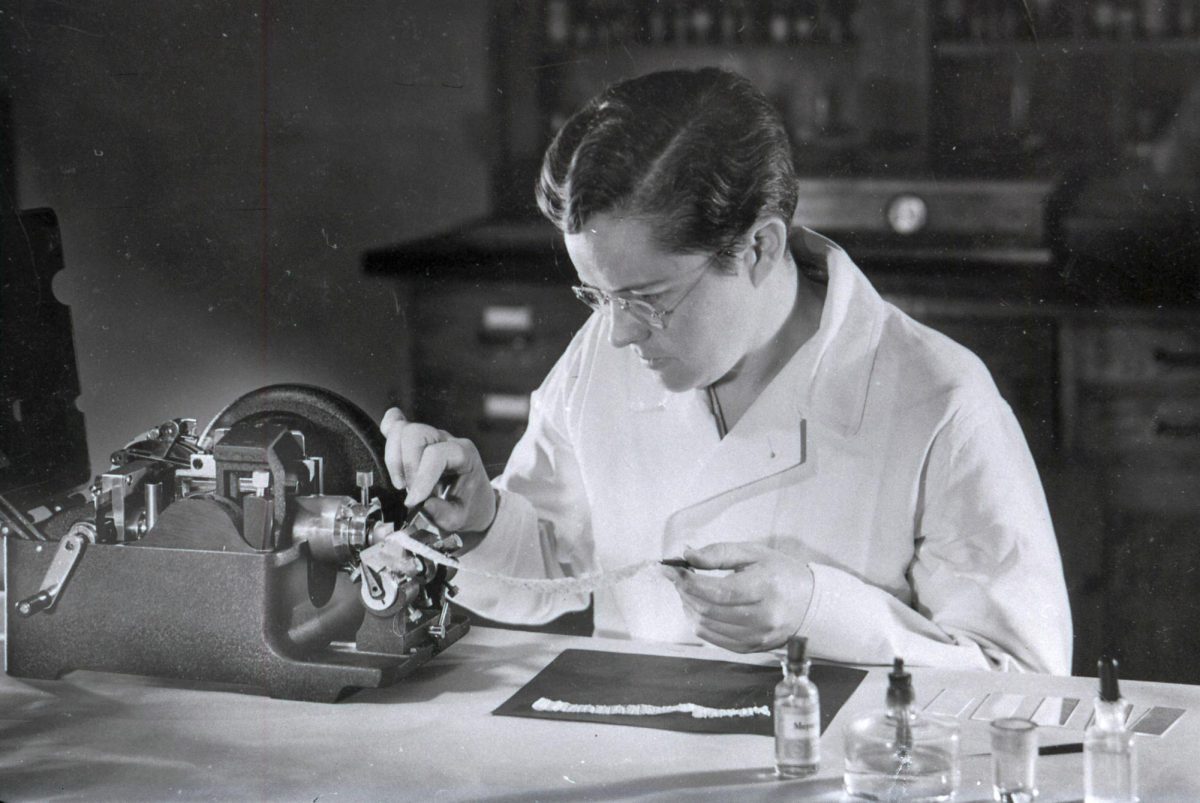
Margaret Sloss grew up on the Iowa State University campus and gained an interest in veterinary medicine, but she was initially denied admission to the male-only College of Veterinary Medicine. Researching her rights that she couldn't be refused admission on the basis of sex, she was admitted and became the first woman to graduate from Iowa State with a degree in veterinary medicine.
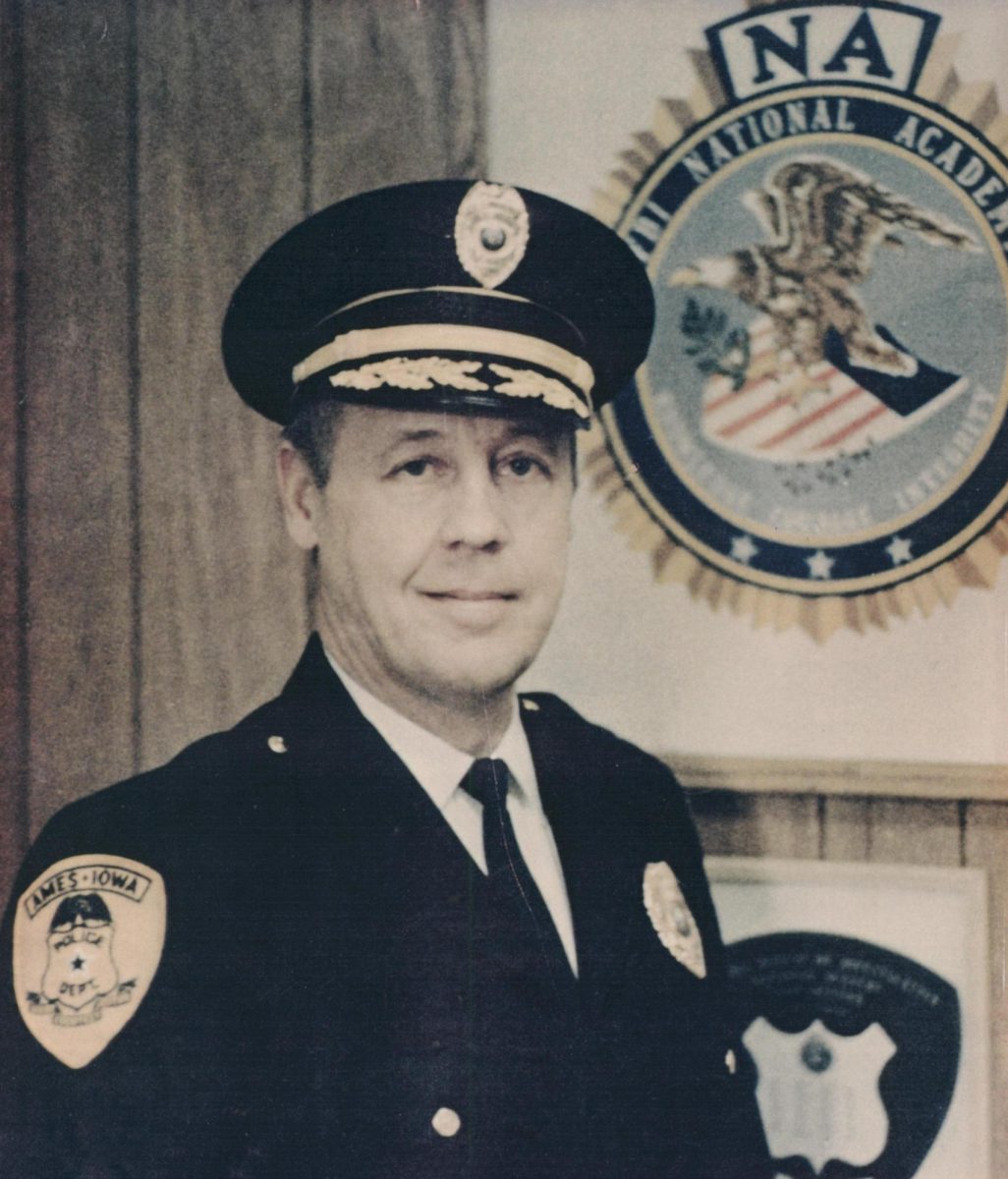
Navy veteran Arnold E. Siedelmann started as a patrolman for the Ames Police department in the early 1950s and was chief of police by 1966, a position he held for 18 years.
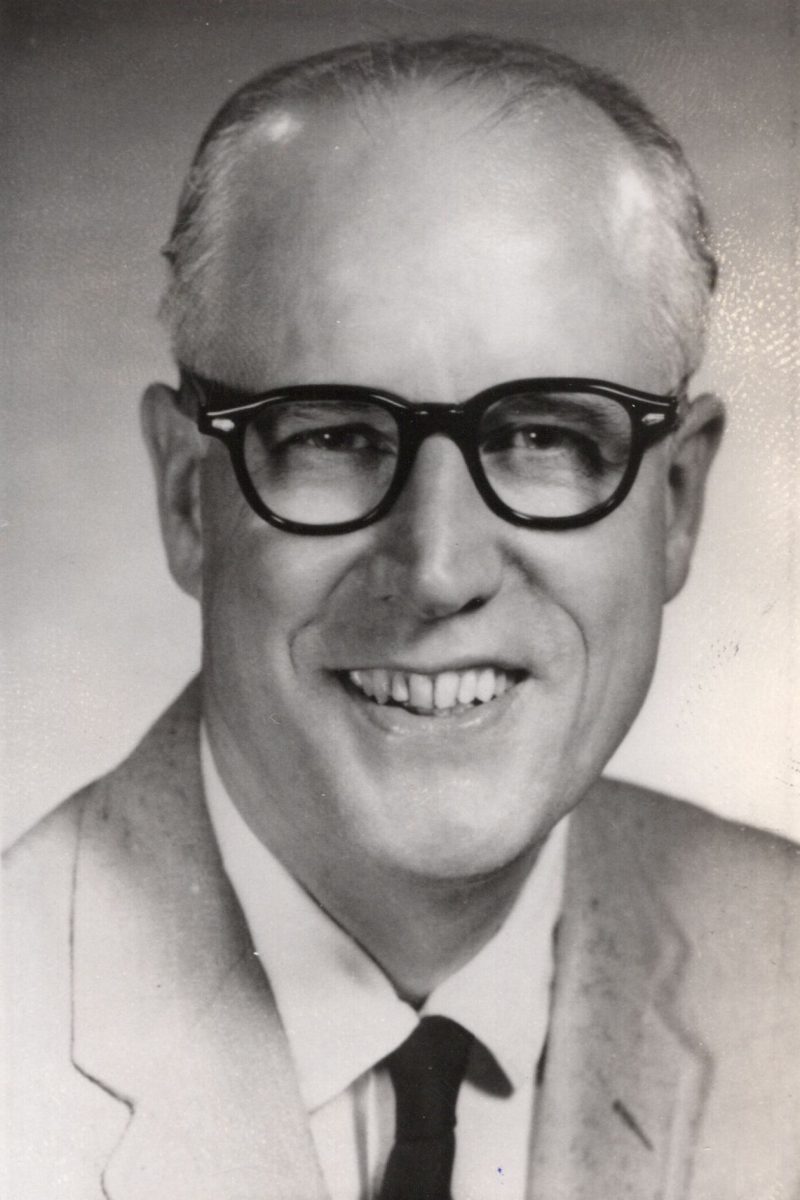
John "Jack" Shelley came to Ames in 1966 when he was recruited by Iowa State University President Robert Parks to head the broadcast journalist program. He had built a strong reputation for broadcast journalism during World War II while reporting for WHO Radio.
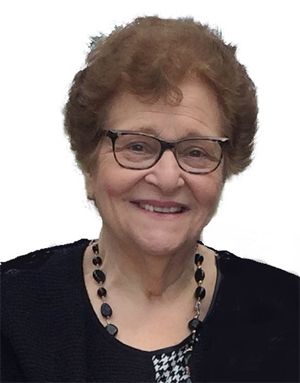
Carole Sager Horowitz moved to Ames in 1961 and upon seeing limited opportunities for children to gain exposure to theater, co-founded Ames Children's Theater and became a promoter and advocate for the arts.
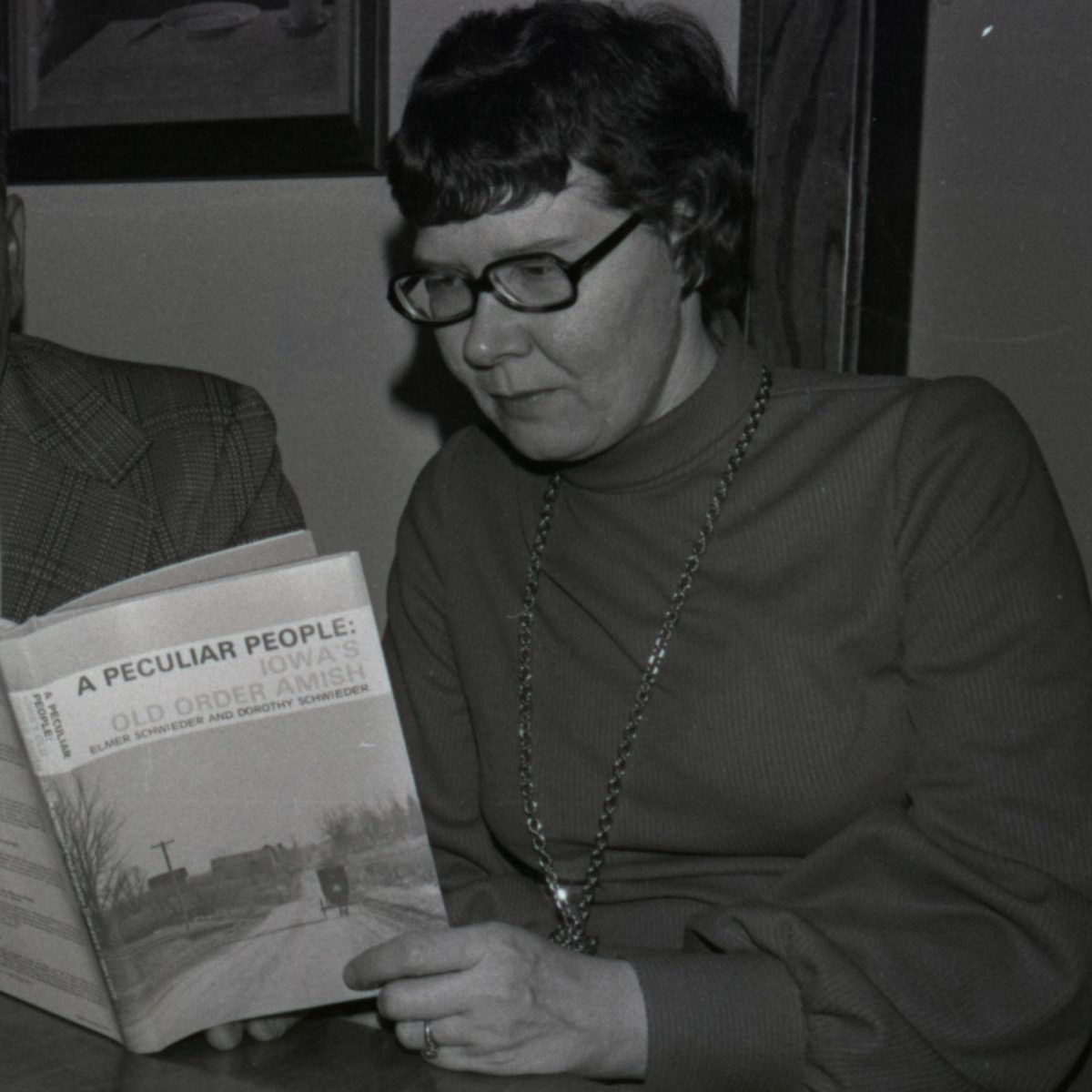
Dorothy Schwieder began teaching at Iowa State University in 1966 as the first and only female professor for the history department. She went on to authoring and editing a vast assortment of books and publications on Iowa history.
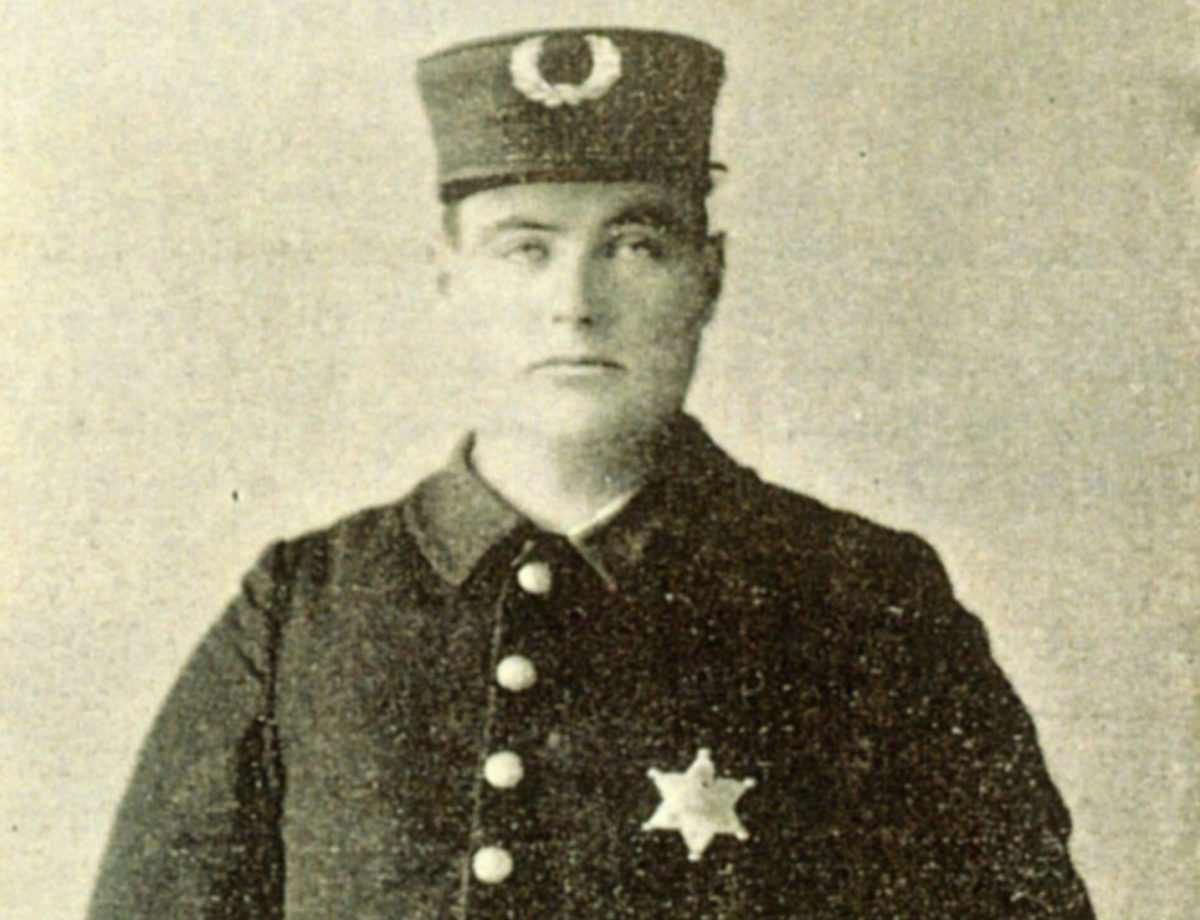
William Ricketts came to Iowa in 1881 and after trying his hand at farming, he moved to law enforcement, which he would do for 26 years. He served as Ames' town marshal and Story County Sheriff over the years and was the first to wear an official officer uniform.
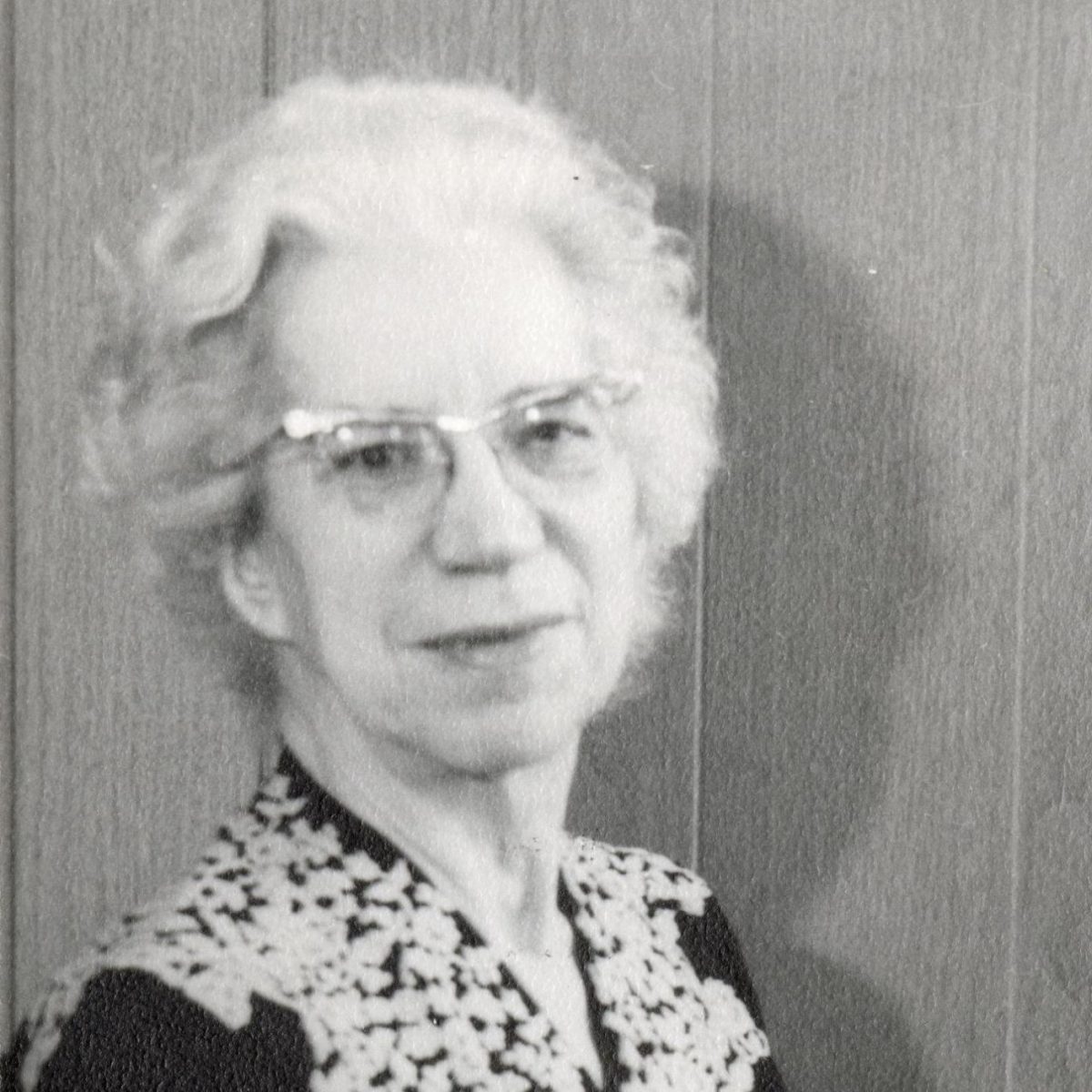
Abbie Sawyer came to Ames in 1917 after studying at the University of Chicago and the Kindergarten Collegiate Institute of Chicago. She established the first public kindergarten classes in Ames.
Wes Buchele came to Ames in 1963 to be an agricultural engineering professor at Iowa State University. Having grown up on his family farm, Buchele was passionate and knowledgeable about everything in agriculture, particularly how to stay safe.