Ames made history 50 years ago when it became home to the nation’s first city-run, waste-to-energy plant.
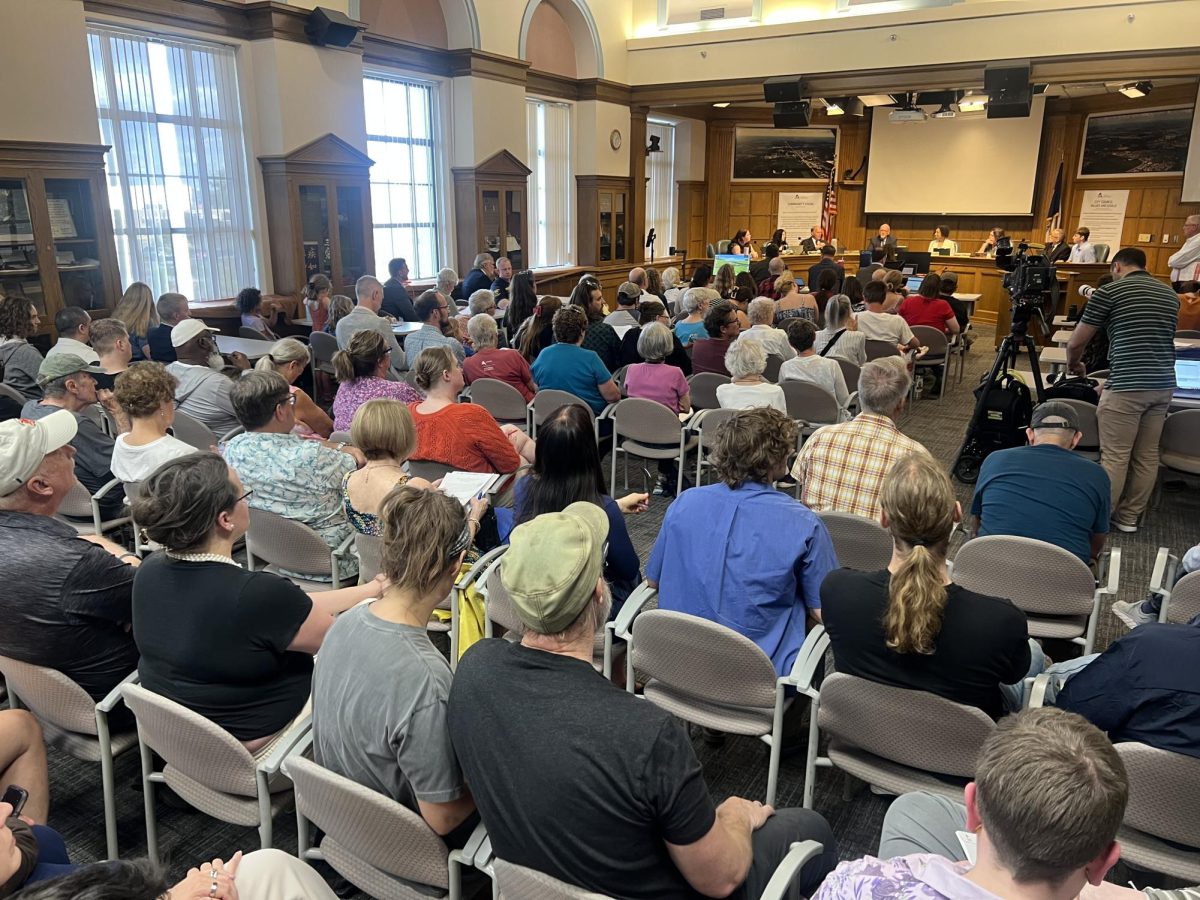
City leaders recently visited the Sixty Forward Center to explain to an overflow crowd why that groundbreaking system is being replaced by blue recycling bins at the curb.
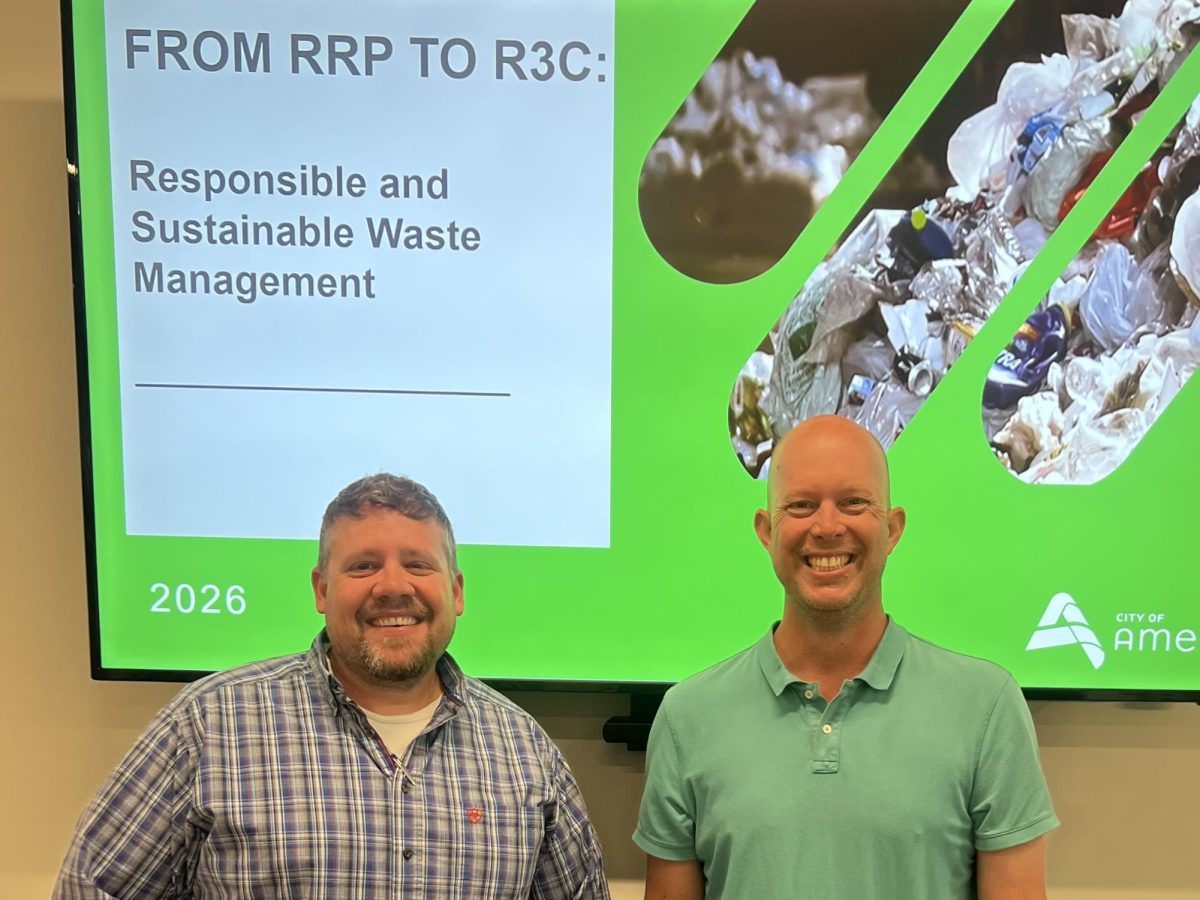
Resource Recovery Plant Superintendent Mark Peebler and Public Works Director Justin Clausen presented the city’s history of trash disposal to residents on Thursday. Continuing to burn garbage to generate electricity is no longer feasible due to the age and unreliability of the power plant’s boilers.
“Many residents are familiar with the plant, but fewer know the history behind it or the challenges communities face today in managing waste,” Clausen said. “This presentation will help you understand how changes in technology, markets, regulations, and costs have shaped the city’s decision to introduce curbside recycling.”
Diverting 1.5 million tons of garbage
Ames plans to open a new Resource Recovery and Recycling Campus (R3C) in mid 2027. Construction of the facility at 220 Freel Drive is underway following the April 9 groundbreaking. Once the facility opens, waste that can’t be recycled will be taken to the Carroll County landfill under a 20-year agreement with the city. The last landfill in Story County closed in the late 1990s. The landfill in Boone County, where the city now takes waste, is running out of room.
The two city officials described how Ames waste management has changed over the decades. They explained why a system seen as cutting-edge in the 1970s no longer makes sense for the community. Peebler said more than 1.5 million tons of Ames garbage and other materials have been diverted from landfills in the past 50 years, the best rate of any city in Iowa.
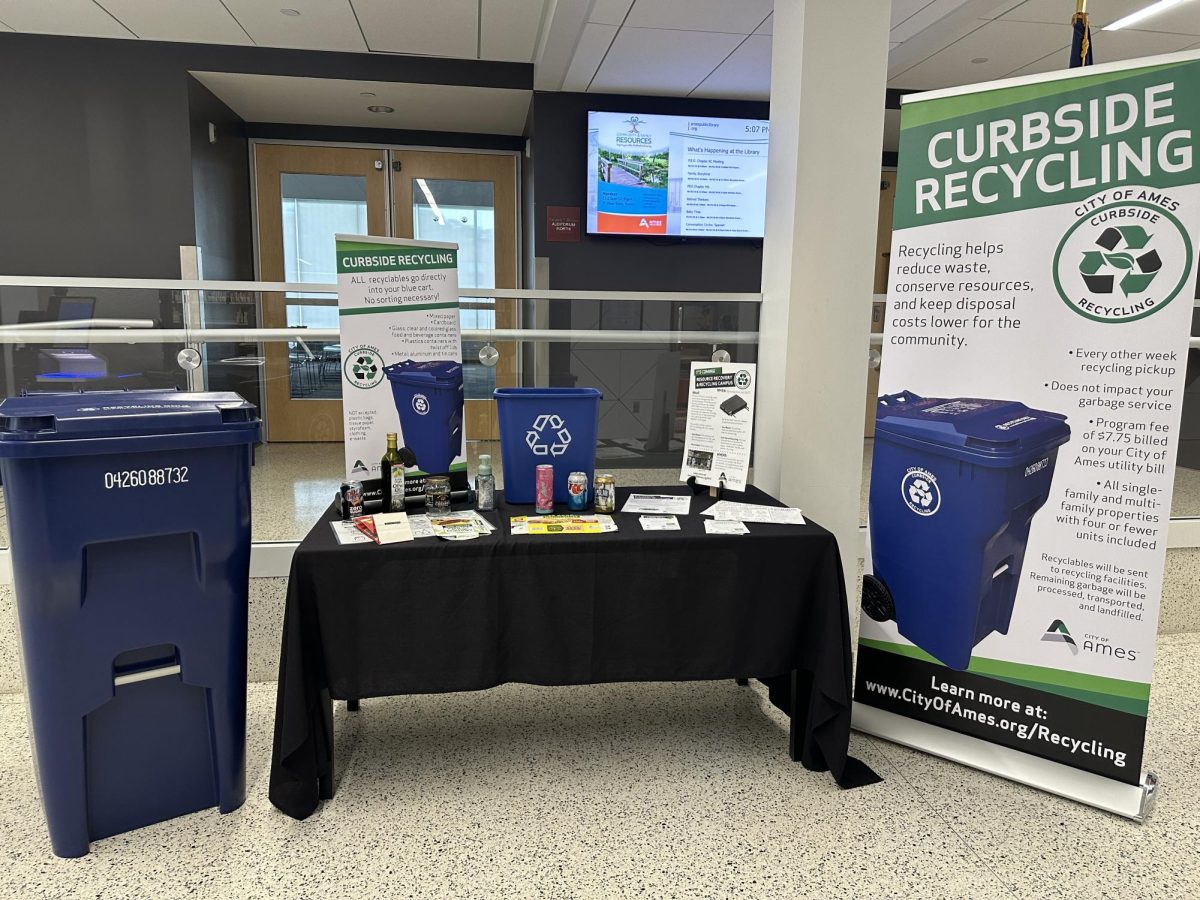
Starting in July, Ames residents living in single-family homes and small apartment buildings with four or fewer units will begin receiving curbside recycling service.
City leaders said the new program is part of a long-term plan to cut down on the total amount of waste Ames produces. The shift marks a new chapter for a city that once led the nation in how it handled its trash.