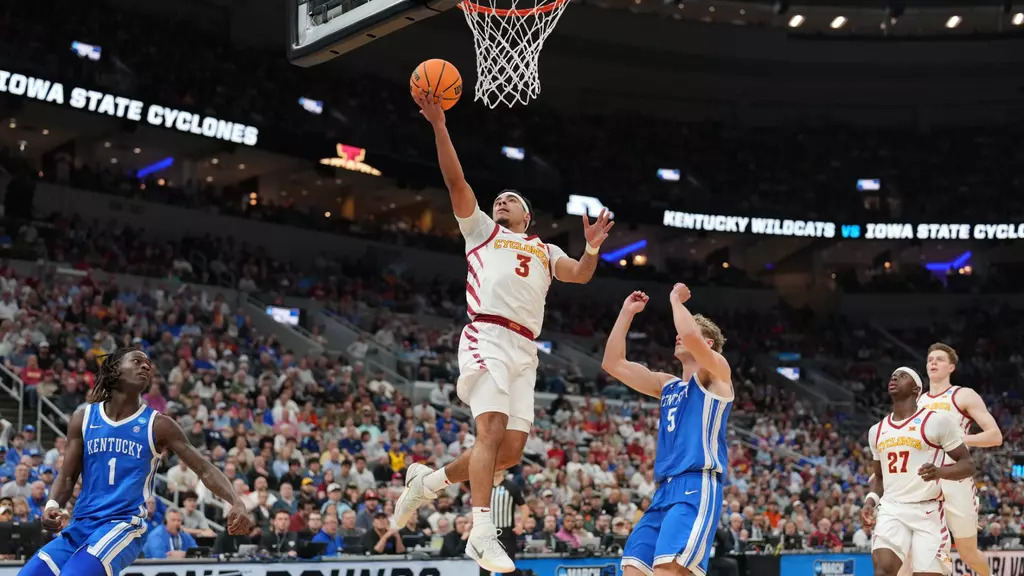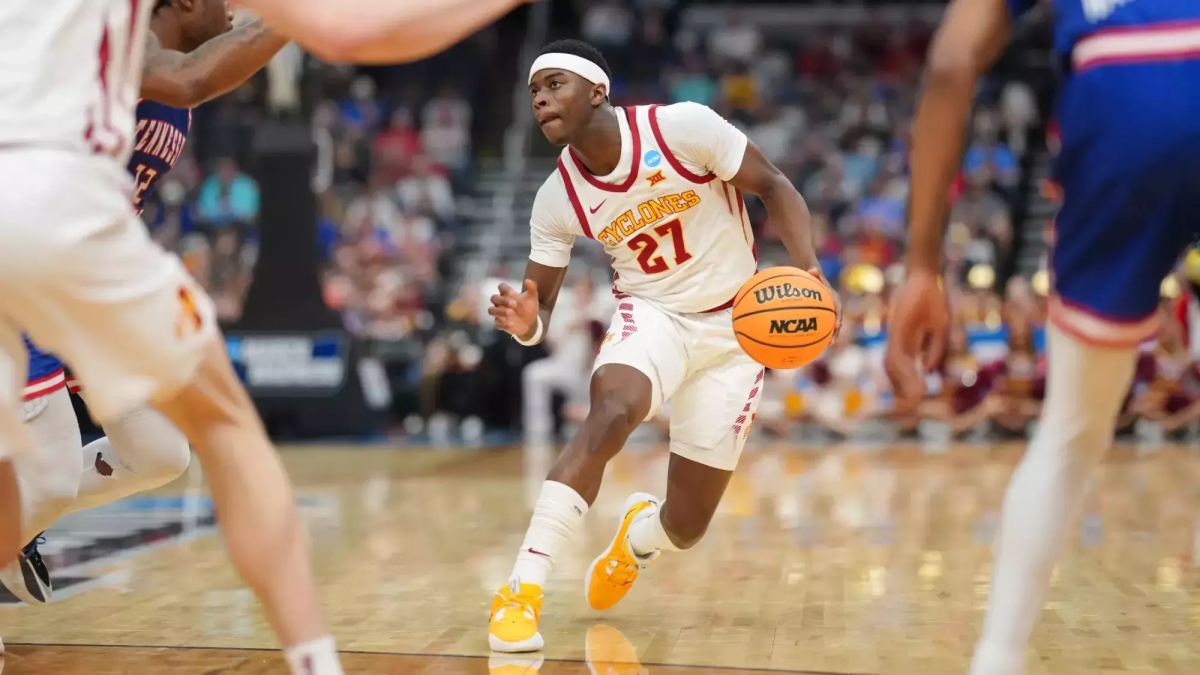
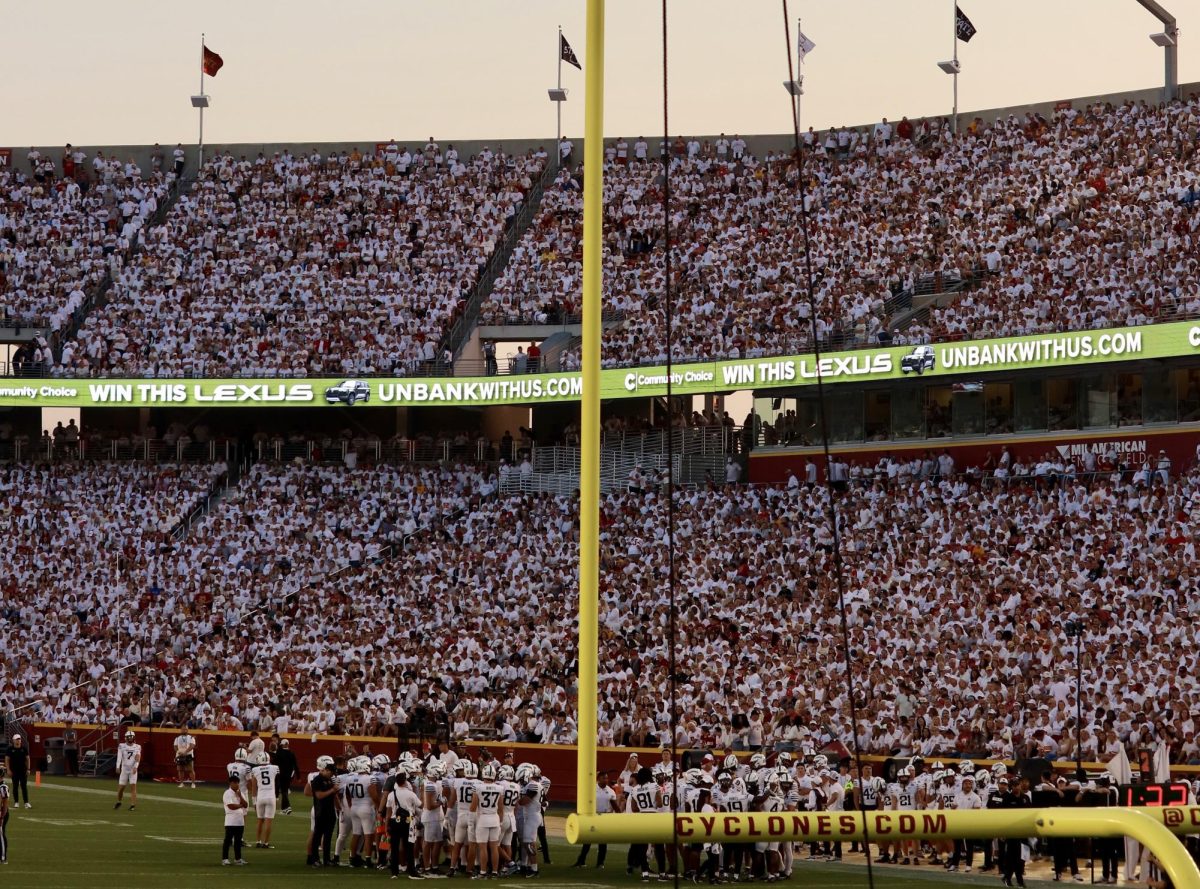
In the high-stakes arena of modern collegiate athletics, tradition is often the anchor, but money is the engine. In a message to the Cyclone community on Monday, Endowed Director of Athletics Jamie Pollard characterized the current landscape as one of the most “transformational periods” in the history of the sport.
Facing “uncertainty and significant financial pressures from rapidly increasing costs” across the industry, Iowa State University is pivoting toward a new strategic reality: alcohol sales at Jack Trice Stadium and Hilton Coliseum.
Pragmatic pivot for a new era
This transition is a calculated response to an industry-wide fiscal strain. While the athletic department successfully identified new revenue through events such as concerts and state championships, integrating alcohol sales brings Iowa State in line with many of its national peers.
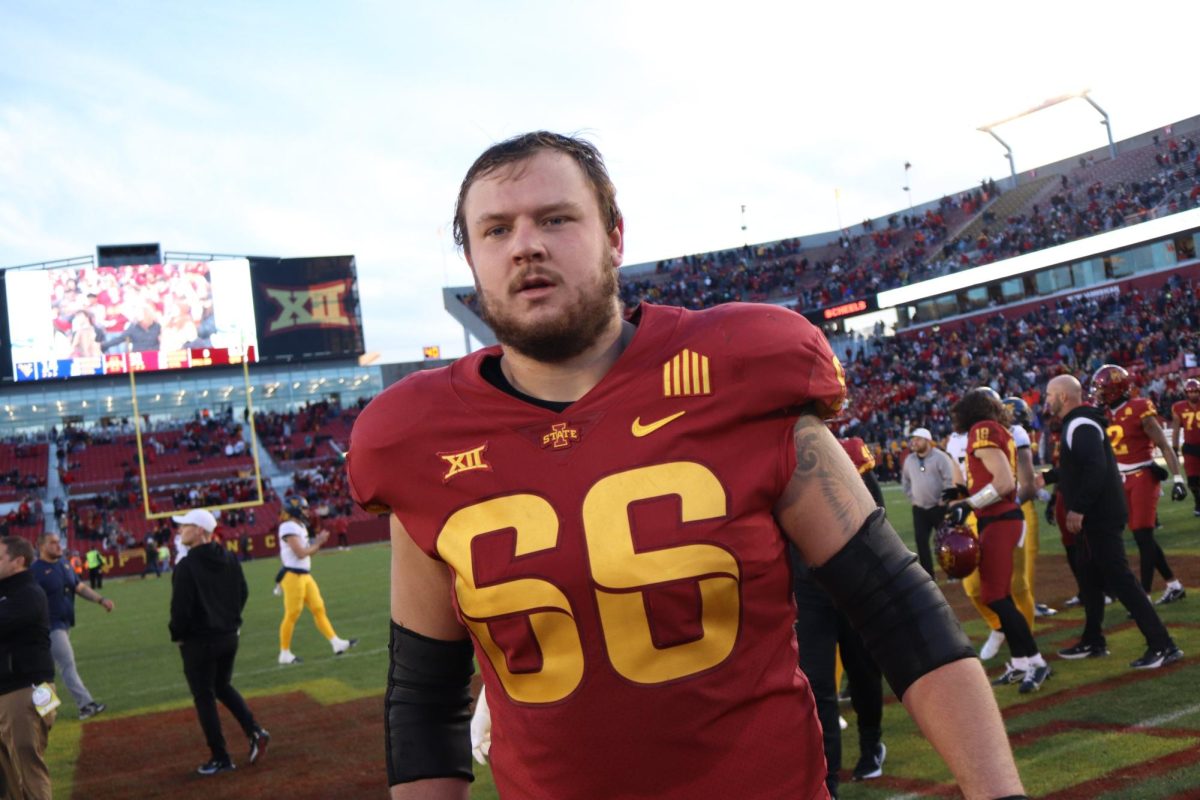
Starting this fall, fans can purchase beer, wine and pre-packaged cocktails at Jack Trice Stadium, with sales expanding to Hilton Coliseum this winter.
The rollout comes with “mission critical” policy changes designed to preserve the stadium’s integrity and safety. The most notable shift for many fans will be the new “no re-entry” policy at Jack Trice Stadium: guests will no longer be allowed to leave and return to the stadium during a game.
Additionally, to prevent “pedestrian congestion,“ primary sales will be concentrated in the north and south concourses and expanded gate areas.
Logistics and student conduct
The university has established rigorous guidelines to ensure a family friendly atmosphere. Alcohol is strictly prohibited on the grass hillsides, protecting those iconic areas for the Jr. Cyclone Club and younger families. To maintain order, all purchases are capped at two beverages per person, per sale, and vendors are prohibited from selling directly within seating sections. Sales will also feature designated stop times, such as the conclusion of the third quarter in football games.
In response to an email Pollard stated, “It is our understanding that DPS (Iowa State’s Department of Public Safety) will allow students of age to bring their alcohol into the student section.”
Investing in safety and wellness
Beyond the bottom line, the university is framing this move as a social investment. A portion of the net proceeds is designated to fund alcohol education, student wellness programming and public safety enhancements.
This commitment to safety is mirrored at the stadium gates, where the university is doubling down on safety initiatives, including the use of weapons detection technology and enhanced event staffing.
As the home opener draws near, Pollard’s message remains a call for unity and cooperation. He acknowledges that while these changes impact supporters differently, maintaining a vibrant, welcoming and safe environment is essential to the program’s success.