This profile is from the Ames History Museum‘s exhibit People of Ames, which profiles an assortment of notable residents throughout the city’s history. To learn more, visit the Ames History Museum, 416 Douglas Ave., or AmesHistory.org.
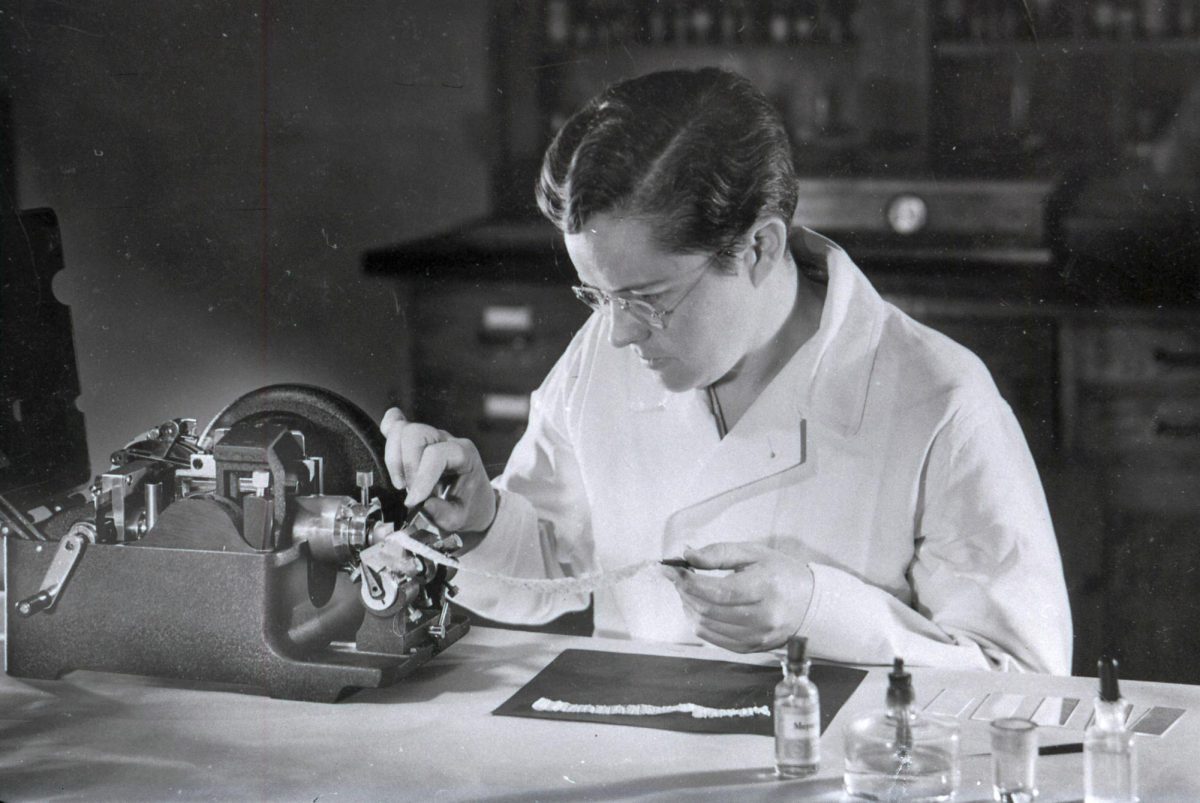
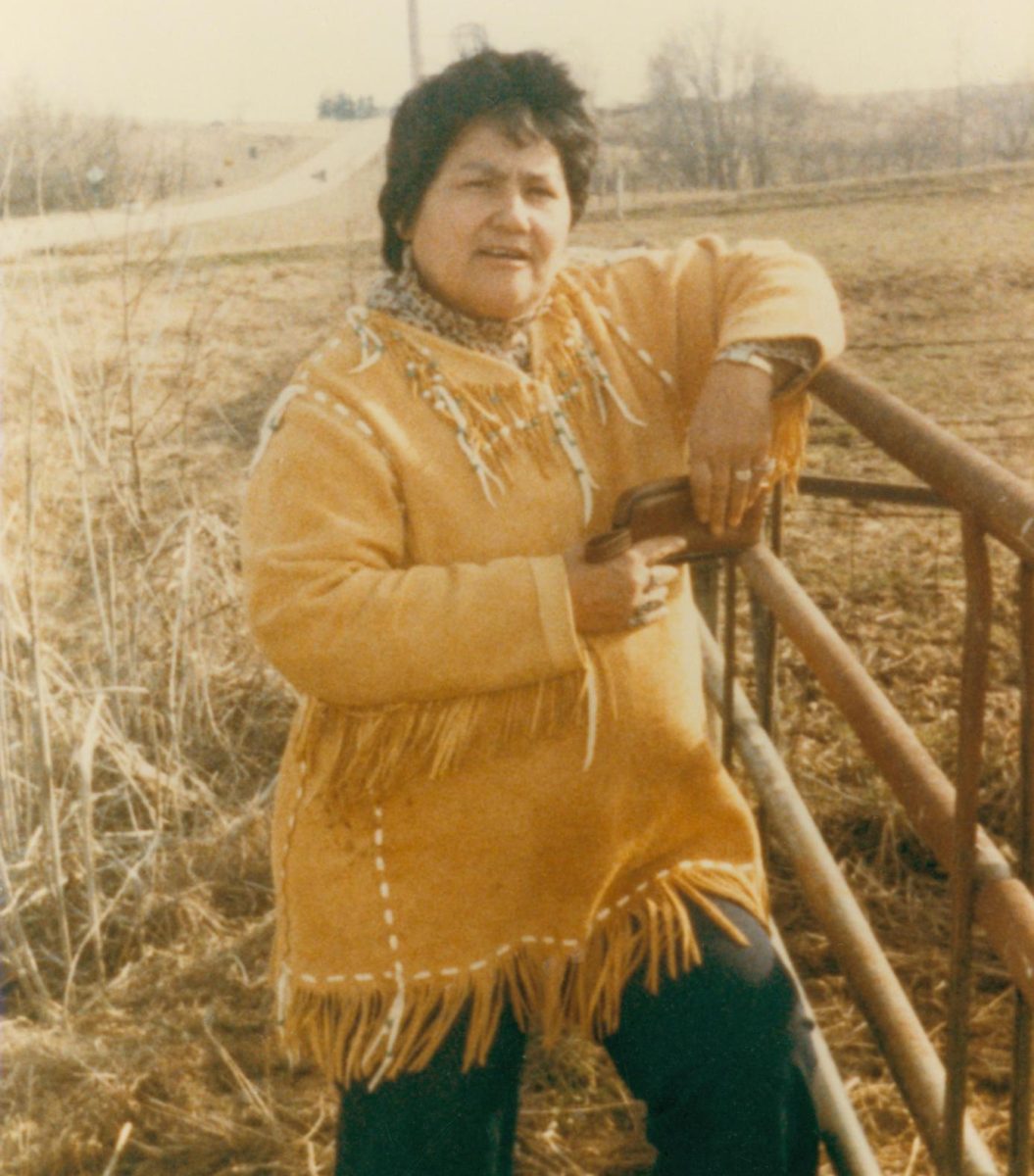
Maria Pearson (1932–2003), Native American activist whose efforts changed the Iowa Burial Code
A member of the Turtle Clan of the Yankton Sioux, Maria Pearson or Hai-Mecha Eunka (Running Moccasins) was an activist instrumental in updates made to the Iowa Burial Code and the establishment of the Native American Graves Protection and Repatriation Act (NAGPRA).
Maria’s journey on the path of advocacy began in early 1971 when her husband John, a district engineer with the Iowa Highway Commission (now Iowa Department of Transportation), informed her of the Glenwood Incident. During a highway construction project south of Council Bluffs, the remains of 26 Caucasian pioneers were disinterred and moved to a nearby cemetery for reburial. The remains of a Native American woman and her baby were not reinterred, but instead, were sent to the office of the State Archaeologist for study. Maria did not understand this discriminatory protection of Euro-American remains but not the graves of Native American peoples.
After protesting in the State Capitol in Des Moines, she met with Governor Robert D. Ray and later with Marshall McKusick, the state archaeologist. An agreement was reached whereby the Native American woman and her baby were reburied in the same cemetery as the 26 Caucasians. Eventually, Maria met with legislators, archaeologists, anthropologists, physical anthropologists and other tribal members to spur legislation guaranteeing equal treatment of found remains.
Largely through her efforts, the Iowa Burial Code was changed in the 1970s mandating the reburial of Native American skeletal remains. Her work in Iowa and continued advocacy on behalf of Native American rights was instrumental in the passage of the important federal legislation the Native American Graves Protection and Repatriation Act (NAGPRA) of 1990. This act provides comprehensive protection for Native American burials and associated artifacts on federal properties and in public and private museums and collections.
Maria’s accomplishments in this area were recognized at a national level as well as several international conferences. Maria was nominated twice for a Nobel Peace Prize for her contributions toward the protection and repatriation of Native American remains. Maria moved to Ames in 1987 where she lived for the rest of her life.