
Ames residents may soon need to get licenses for their pets.
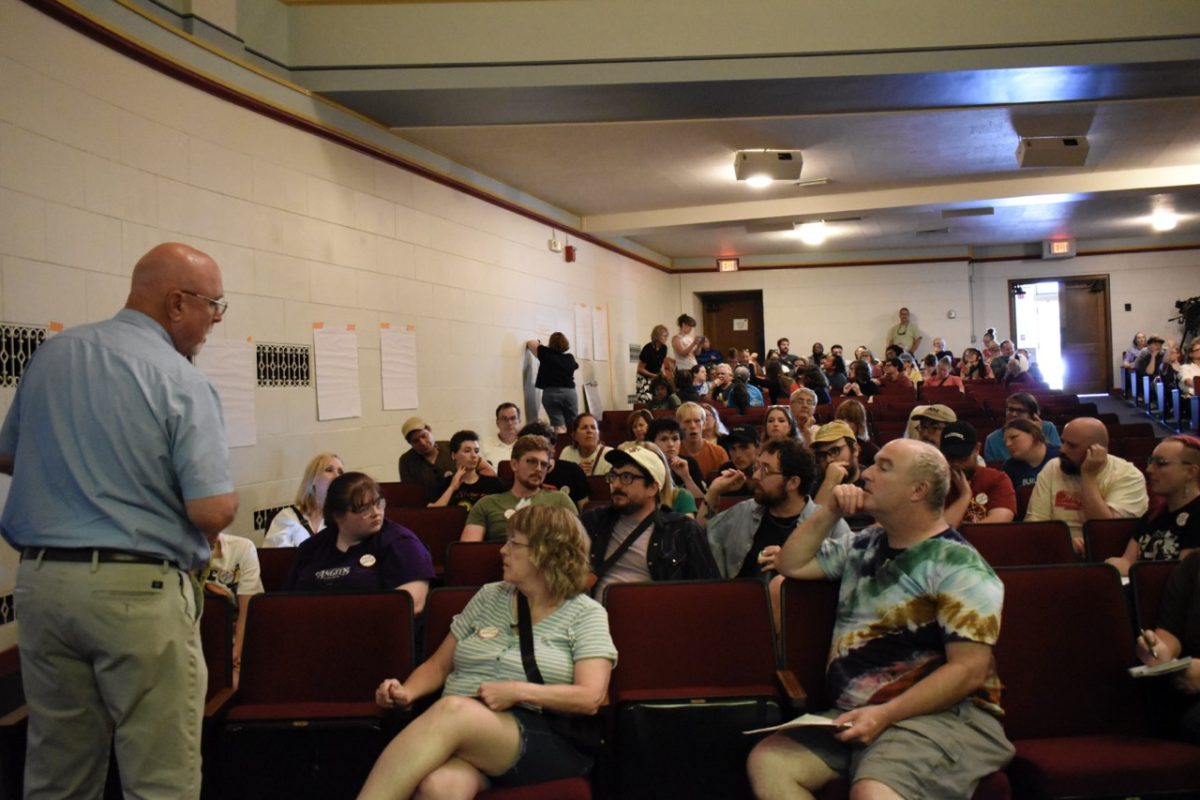
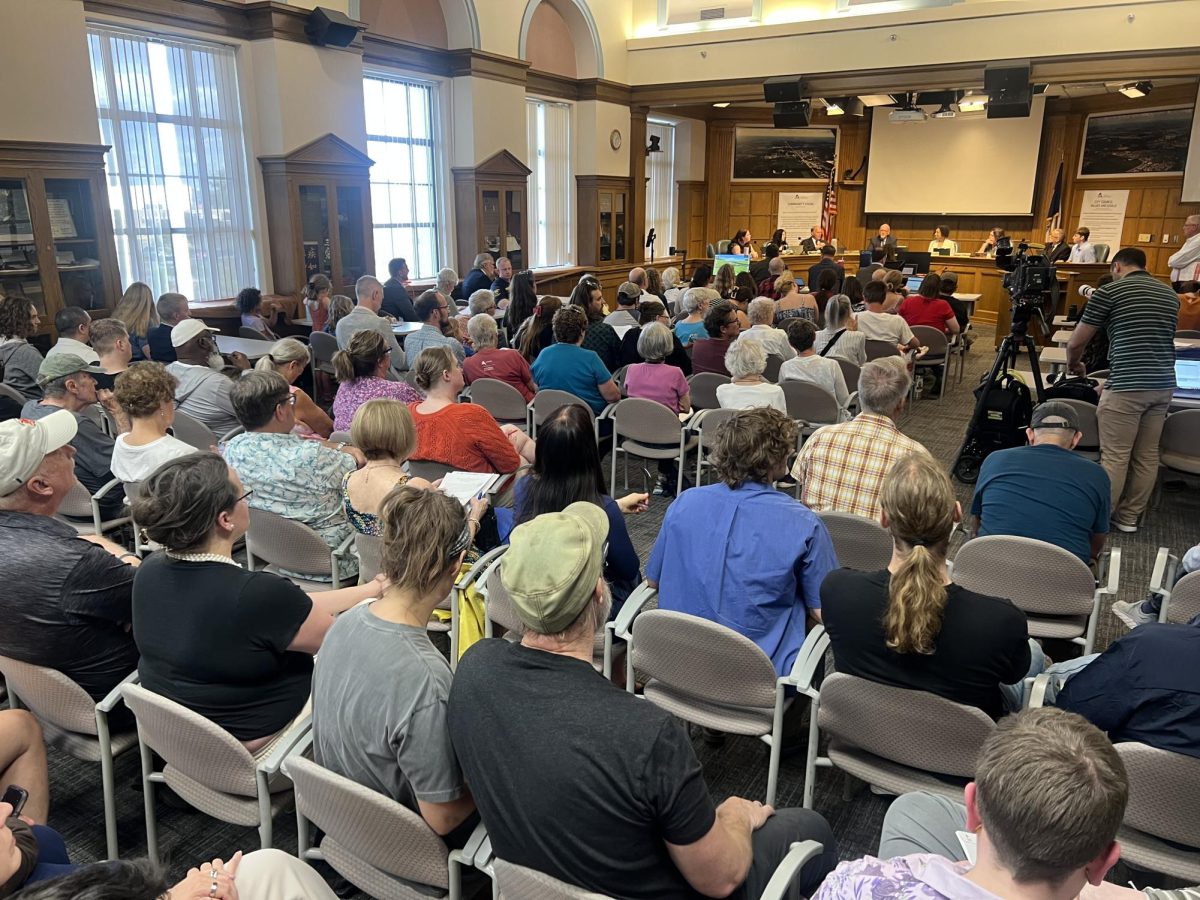
The Ames City Council heard from several residents in opposition to the ordinance and then decided to take up the issue again next year while instructing city staff to launch a public information campaign to explain the program.
The proposed licensing fees are:
- $12 per year for spayed or neutered pets
- $24 per year for pets that haven’t been fixed
- $10 to replace lost or damaged license tags
The program aims to help pets get home faster if they’re lost, ensure animals are vaccinated against rabies and help pay for animal control services that currently come from property taxes. City officials say this would shift some costs from all taxpayers to pet owners.
Background: Ames is one of only two cities among Iowa’s 15 largest that doesn’t require pet licenses. It’s also the only Iowa university town without such a program. City staff first brought up the idea during budget discussions in February 2025, and the council directed them to write the ordinance in May.
How this would work: Pet owners would get a license tag that city police can trace 24 hours a day, any day of the year. Right now, lost pets can only be identified by rabies tags during veterinary clinic hours, which means animals found on nights and weekends wait longer to get home.
Licensed pets that end up at the Ames Animal Shelter would be held longer before being put up for adoption, giving owners more time to find them. The city would even drive a lost licensed pet home once for free as a benefit of the program.
All pets adopted from the shelter would automatically be licensed as part of the adoption. If someone’s unlicensed pet ends up at the shelter, they would need to buy a license before getting their animal back. However, the city would not go door-to-door checking for licenses. Staffers would only check if they received a complaint or saw an unlicensed pet during other work.
Vaccination requirements: Acquiring a license would require a rabies vaccination, which is required by state law for dogs. Licensed pet owners would get reminders when it’s time to renew their pet’s rabies vaccine.
During the licensing process, staff would also make sure any pets with microchips have current information in the city’s system. The city partners with other groups to offer low-cost or free microchip clinics, since microchips are an inexpensive way to help lost pets get home quickly.
Expected costs and revenue: Based on veterinary data, Ames has about 16,182 dogs in 11,084 households and 11,399 cats in 6,404 households. If everyone licensed their pets, the program could bring in up to $430,000 per year. However, city officials expect actual revenue to be much lower since they won’t actively enforce the requirement.
Starting the program would cost about $18,260 the first year, including setup, software service and tags. These startup costs would be paid from the shelter’s donation account, and future costs would be covered by license fees.
The same software system already used to track the roughly 500 animals adopted or reclaimed each year would manage pet licenses. It could also eventually handle the over 700 active dog park registrations.
Enforcement: While city code allows fines of $50 for a first offense and $100 for a second offense, plus $95 in court costs, staff plans to use citations only as a last resort. The goal is to encourage voluntary compliance and work with people to get their pets licensed, since licensing costs much less than fines.
The program is designed to help reunite lost pets with their families, reduce the burden on the animal shelter and support services such as responding to animal neglect, cruelty, hoarding concerns and nuisance calls. Currently, about 500 cats and dogs are adopted or reclaimed from the shelter each year, and faster identification could reduce how long animals stay there, lowering operating costs at the facility.
Council member Amber Corrieri said her research has made her a no on the proposed ordinance. Council member Tim Gartin said social media comments and public comments at the meeting have him opposed as well. Both voted against the motion to defer action on the matter.
In the end, the council will make a policy decision on how to cover the increased operating costs at the new animal shelter. That could be primarily through property taxes, as is now the case, or by partially offsetting that tax bill and shifting it to pet owners through licensing fees, assuming the cost of enforcement does not exceed revenues produced by the licensing program.
In other business
- The council suspended the rules to pass the second and third readings of the ordinance to increase the city’s electric rates by 1.5%. The rate increase will go into effect for bills mailed on or after Nov. 1.
- The council approved a development plan for the construction of four apartment buildings and 14 other units in seven duplexes at 3200 University Blvd., developed by Hunziker Construction Services.
- The council approved a lease agreement with the Iowa Board of Regents for a 29-acre plot on State Avenue for 52 years — two years for construction and 50 years for rent — at no cost for Ames Fire Station No. 2, contingent upon the Nov. 4 bond referendum and approval of the Regents.
- The council accepted the building energy audit report related to the city’s climate action plan. The audit provides information for the city as it works towards greater energy efficiency in city buildings.
- The council went into closed session to discuss collective bargaining strategy.
- Attendance: Council member Bronwyn Beatty-Hansen attended the meeting by telephone.
- Next time: The next regularly scheduled council meeting will be Nov. 18.