
The Ames City Council is gearing up to go beyond Iowa’s Civil Rights Act with a new ordinance that would protect people from discrimination based on gender identity in employment, housing and public accommodations.
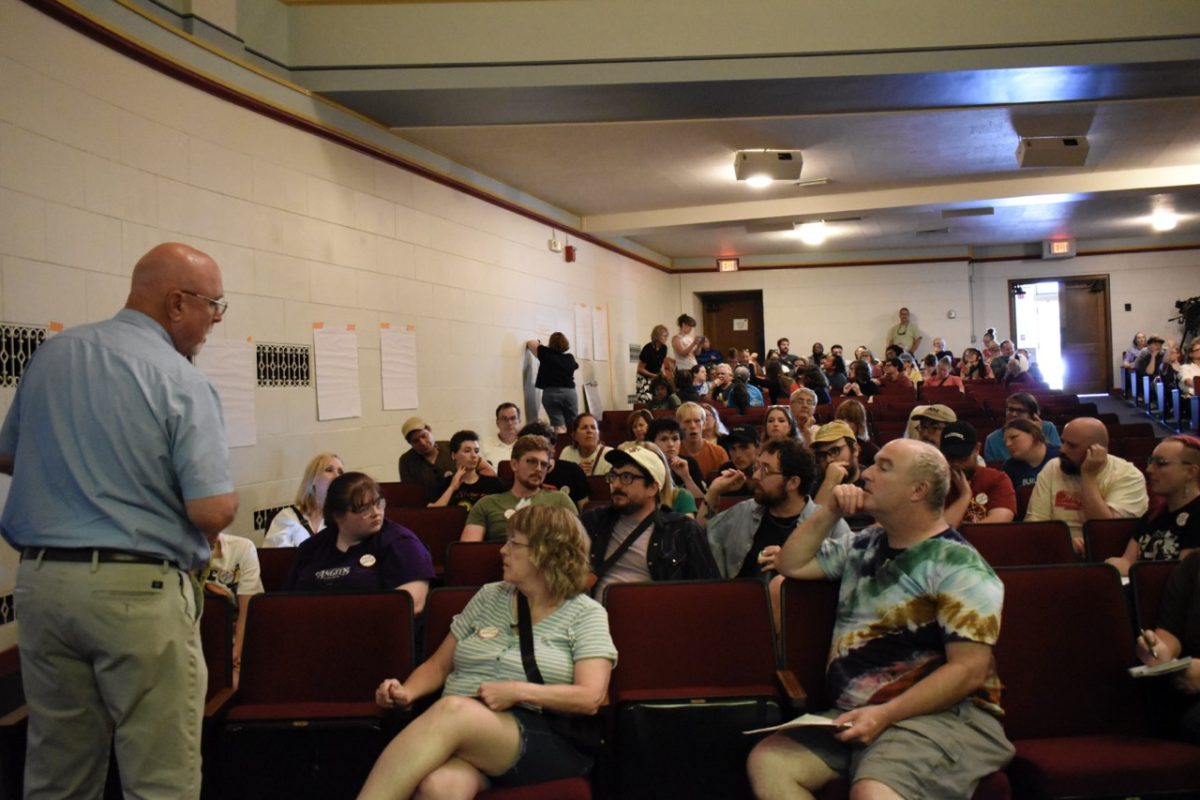
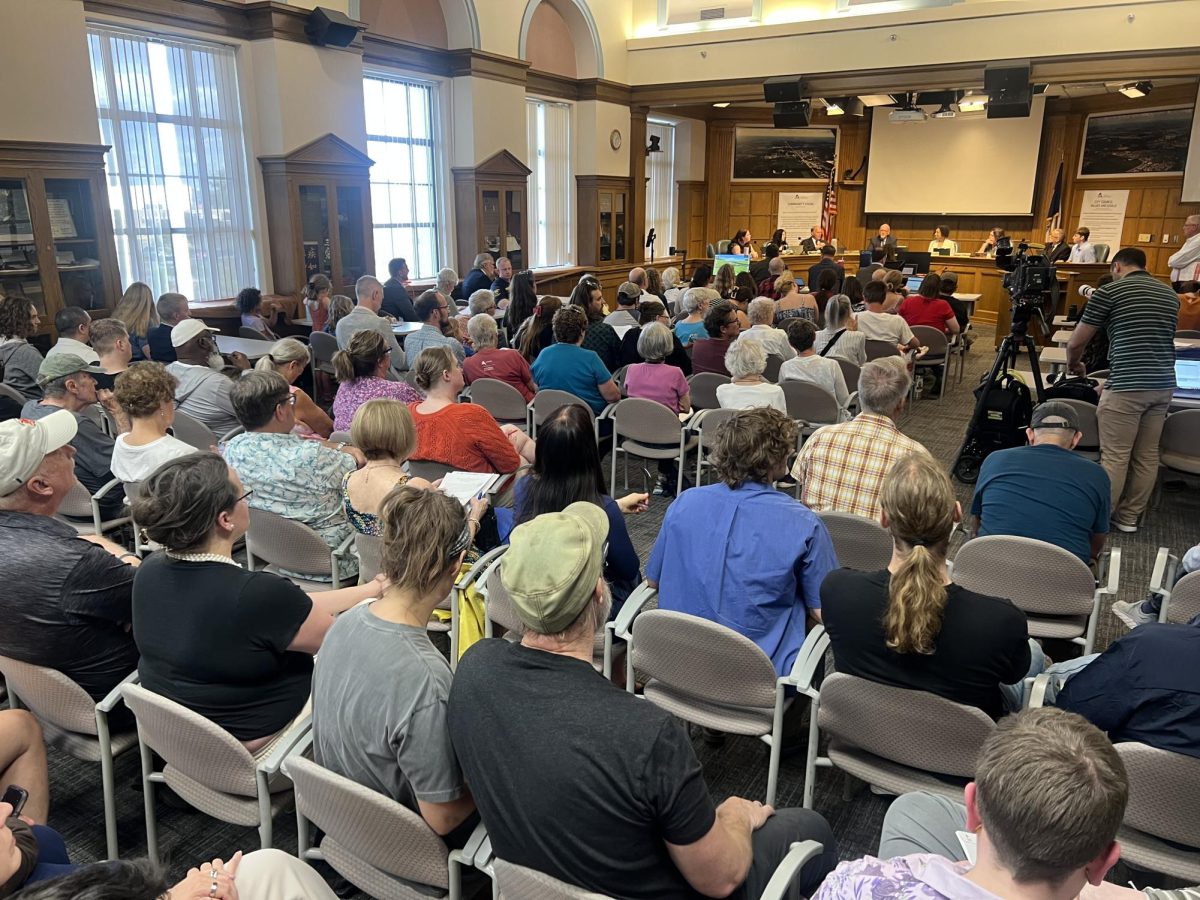
The council’s meeting room was enlarged to accommodate a standing-room crowd. When Mayor John Haila asked for a show of hands for or against the idea of a new ordinance, all were in favor with no one in opposition.
State Sen. Herman Quirmbach (D-Ames) – and a former city council member – asked the council to consider the ordinance at its Nov. 18 meeting with the Ames Human Rights Commission. He returned to Tuesday’s meeting to again urge the council to address the issue.
The council voted to have staff to prepare an ordinance for consideration early in January. Council member Tim Gartin voted no, expressing the concern that the Iowa Code does not give cities the “authority to regulate” in the area of gender identity.
The issue arose after the Iowa Legislature removed “gender identity” as a protected class from the Iowa Civil Rights Act earlier this year. Iowa had added “sexual orientation” and “gender identity” protections in 2007.
Authority to act: City Attorney Mark Lambert said Ames has the legal authority to create its own civil rights ordinance with broader protections than state law.
Iowa Code specifically allows local governments to pass ordinances protecting additional categories of people, as long as those local laws don’t conflict with state law, Lambert said. Iowa City already has a similar ordinance that prohibits discrimination based on gender identity.
Enforcement: The council discussed how to enforce such an ordinance. Currently, Ames refers discrimination complaints to the Iowa Office of Civil Rights. However, that state office can no longer investigate gender identity discrimination complaints because gender identity is no longer protected under state law. Iowa City employs a staff person specifically to investigate civil rights complaints.
The council also discussed penalties for violations. Without specific penalties, default fines would apply:
- $30 for a first offense
- $100 for a first repeat offense
- $200 for additional violations
Iowa law allows cities to set higher penalties – up to $750 for a first offense and $1,000 for repeat offenses. Violations would be prosecuted as municipal infractions in court.
Next steps: In the future, the council must determine who should investigate allegations of discrimination and what civil penalties are appropriate.