
It’s tougher than ever to budget for a city due to new legislative mandates on Iowa’s property tax system, forcing cities to find additional revenue to maintain services.
For the city of Ames, the loss of property tax revenue has a substantial impact on its budget for the 2026-27 fiscal year.
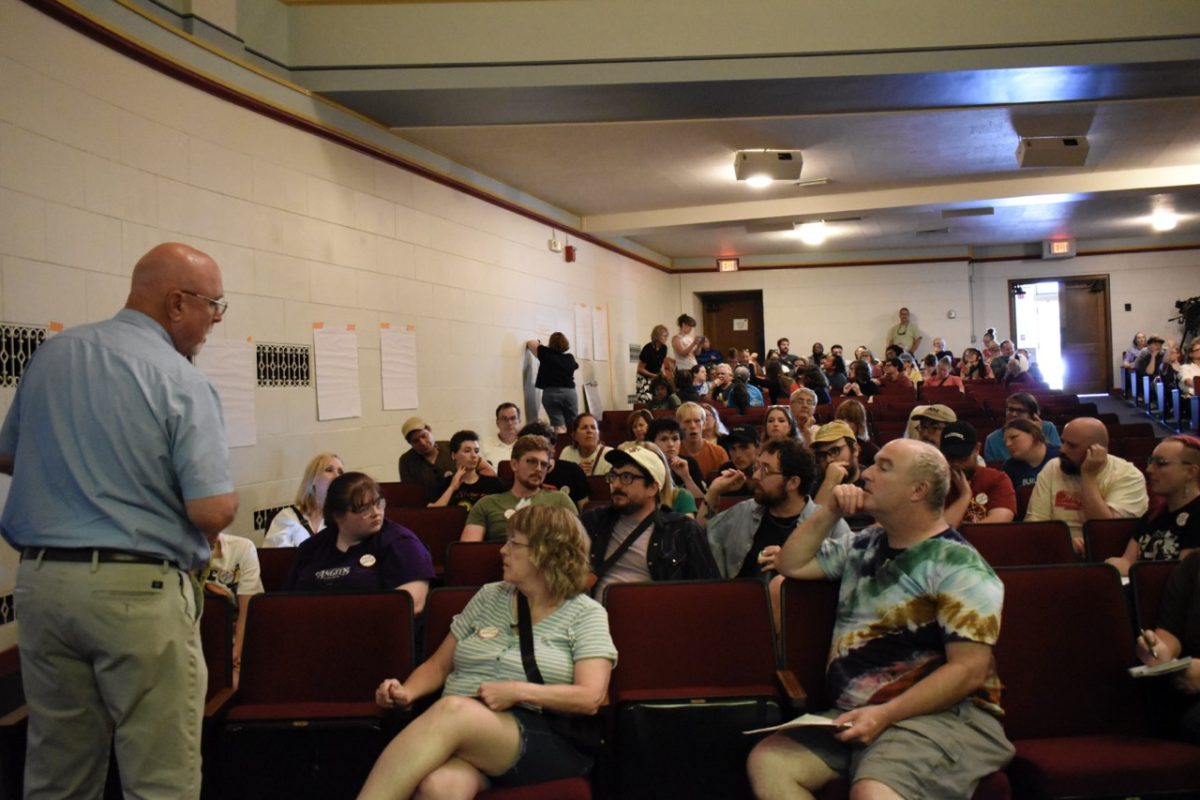
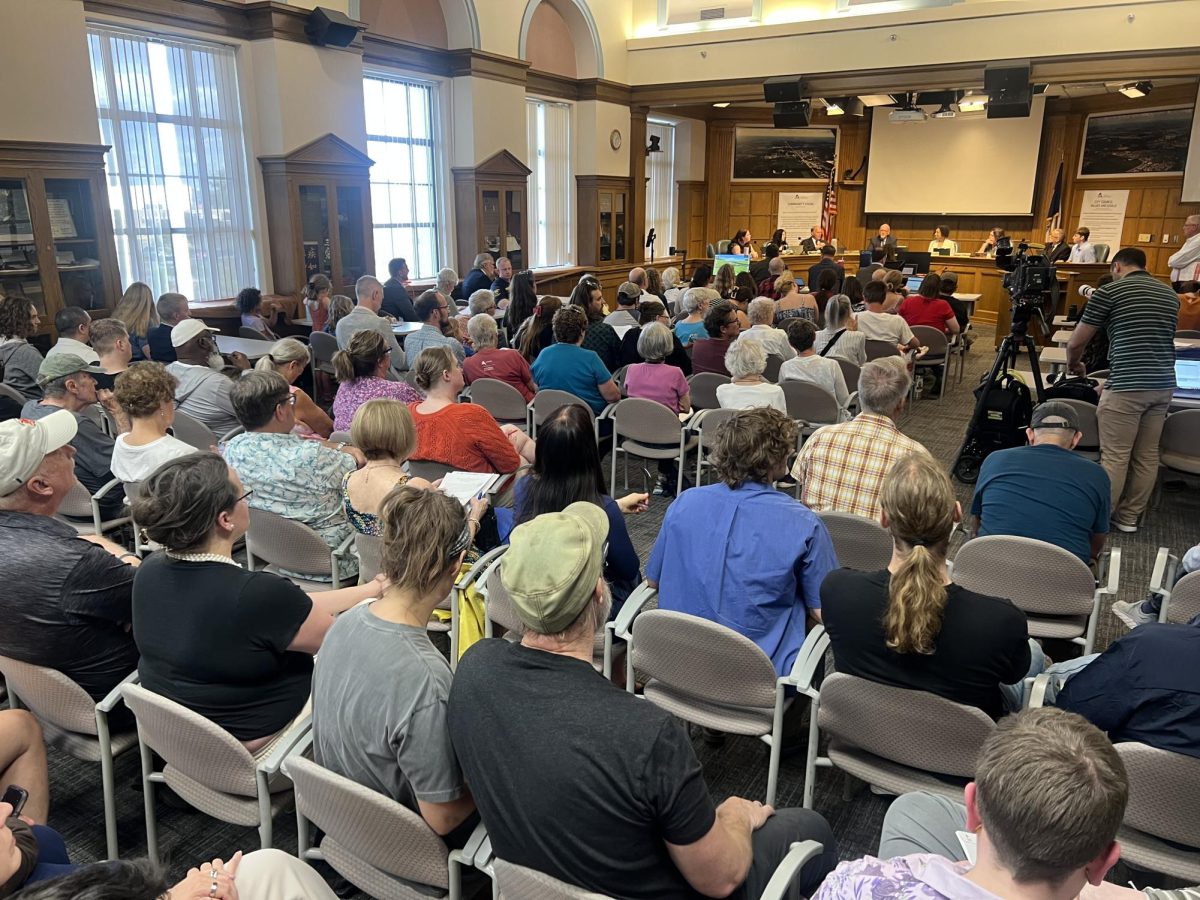
The Ames City Council began its discussions for next year’s budget on Tuesday, including the implications of significant changes to Iowa’s property tax system.
The changes include automatic reductions to what cities can collect based on property value growth, expanded tax exemptions and the elimination of state payments that previously helped offset revenue losses.
Ames must increasingly depend on user fees rather than property taxes, city staff members reported to the council. This includes higher fees for building permits, development services, parks and recreation programs, animal licensing and transaction charges such as credit card processing fees.
Growing property values: The city experienced 37% property valuation growth during a recent qualifying period, placing it in a category that lost state reimbursement payments faster than other communities. This year marks the complete elimination of those state payments, representing a permanent reduction to the city’s budget.
The new Combined General Fund Levy system automatically cuts the amount cities can collect through property taxes when property values grow:
- Growth between 2.75% and 4% reduces revenue by about 1%
- Growth between 4% and 6% reduces revenue by 2%
- Growth above 6% reduces revenue by 3%
Additional exemptions: Expanded exemptions for homeowners age 65 and older and for military veterans are costing Ames approximately $220,000 annually in lost revenue, with no state reimbursement to replace those funds.
Economic stability: Despite these constraints, staff members report that Ames remains economically stable. The unemployment rate in August was 3.2%, reflecting low joblessness compared to many regions.
The city ended fiscal year 2024-25 with a general fund balance of approximately $14.4 million, about $3.5 million higher than expected. However, most of those savings came from capital projects that were delayed and need funding this fiscal year. Staff members recommend using the one-time savings for one-time expenses rather than ongoing costs to avoid larger tax increases in future years.
Utility rate increases: City staff members are recommending utility rate increases to cover operating costs and debt obligations. For water and wastewater services, staff propose continuing the increases adopted last year: 5.5% for wastewater and 3.5% for water. The combined impact for a typical residential customer would be $3.03 more per month.
Electric rates would increase 1.5%, adding $1.22 to the average monthly residential bill.
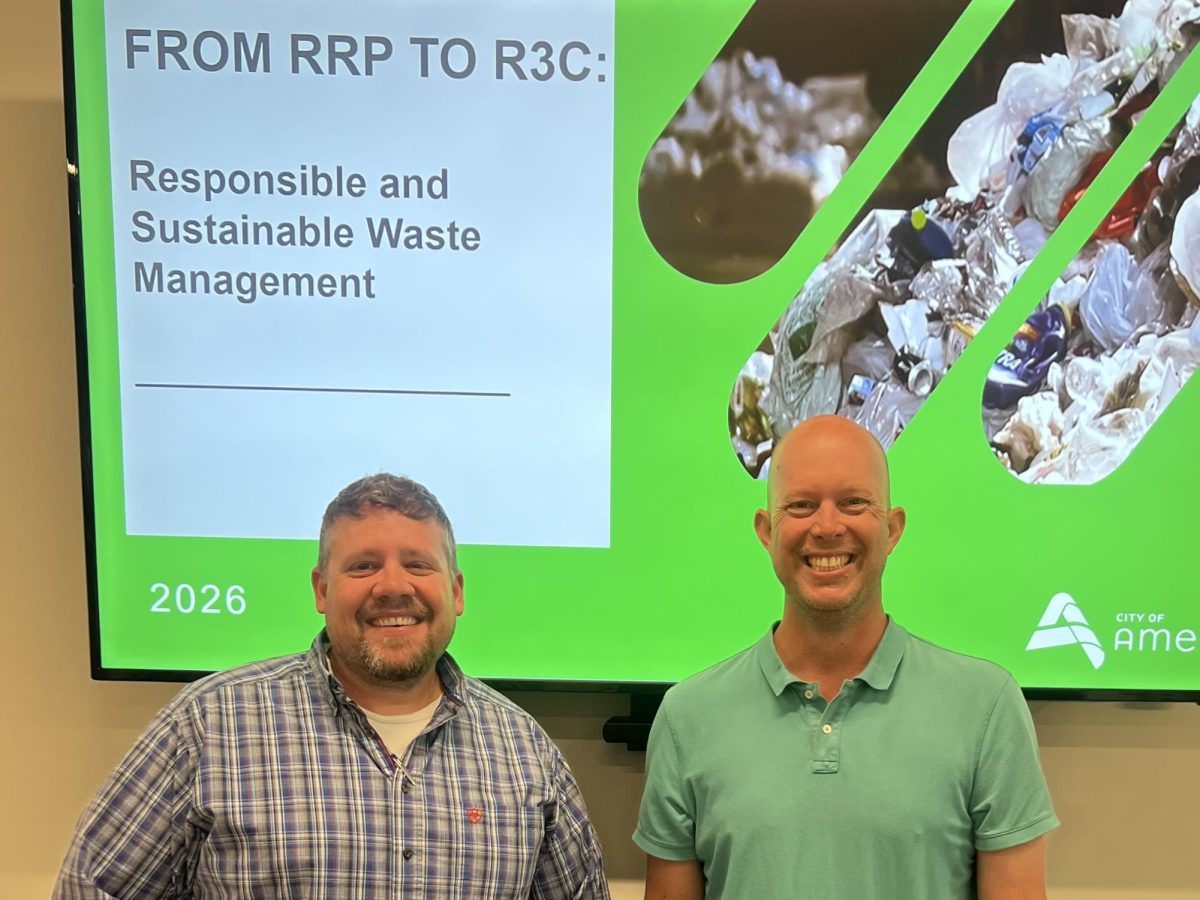
The resource recovery system, which handles waste and recycling, faces the most significant increase. The tipping fee, which is what businesses and haulers pay to dispose of waste, is recommended to rise from $75 to $85 per ton starting July 1. This interim increase prepares for the opening of the new Resource Recovery and Recycling Campus in July 2027, when the fee is projected to reach $95.11 per ton. A citywide curbside recycling program is also planned to begin in July 2026.
Human services decisions: The council must decide how much to allocate for human services through the Analysis of Social Services Evaluation Team (ASSET) program, which coordinates funding from the city, Story County, United Way and Iowa State University Student Government. Local agencies requested $2.3 million in city funding for fiscal year 2026-27, a decrease of 4% from last year’s requests but above the $2 million budgeted in the current year.
The council voted to allow a 3% increase in ASSET funding to nearly $2.1 million with $100,000 reserved specifically for case management services.
Several agencies are significantly increasing their funding requests, including Prairie Flower day care services (187%), Primary Health Care (494%) and The Salvation Army (17%).
Arts requests: For performing arts funding through the Commission on the Arts (COTA), 23 agencies have applied for grants totaling $297,188, an increase of 17.5% over the current year’s total allocation of $252,978. The council voted to set the total funding amount at $365,000, and COTA will determine individual agency awards and reserve funds for special project mini grants offered twice yearly. The council also voted to have outside organizations submit more detailed requests.
CyRide request: CyRide is requesting a 3.5% increase in local funding to preserve existing service levels, bringing the city’s contribution to $2.3 million from property tax revenues. The transit system continues to see steady ridership increases, with nearly 5 million passenger trips last year and projections exceeding 5.1 million this year.
Mental health response: The Alternative Response for Community Health program, which provides mental health crisis response, has agreed to continue 60 hours of service per week for $130,000, slightly less than the current year’s contribution.
Bright spots: While higher interest rates increase borrowing costs, they also boost investment earnings. Staff members project interest earnings of approximately $6 million in the current fiscal year and $6.7 million in 2026-27.
Local option sales tax revenue is projected to increase by 2.5% to $12.7 million, though last year’s collections fell short of projections by more than $300,000.
Hotel and motel tax revenues have shown strong growth, increasing 10% last fiscal year, likely due to an increase in events. Staff projects another 6% increase for the coming year.
Next steps: The council will provide input on budget priorities and funding levels before staff members develop detailed budget recommendations for formal consideration in the spring.
In other business
The council approved a land purchase option with Keystone Equity Group for surplus city land at the intersection of Harrison Road and Welbeck Drive. It will include 12 owner-occupied homes.
The council approved the first reading of the master plan for rezoning of Overflow Thrift Store’s properties on Southeast Second Street and Sumner Avenue — east of its Duff Avenue location — from highway oriented commercial to neighborhood commercial. Overflow aims to develop a multi-use property consisting of commercial and residential uses on the ground floor and residential units above.
The council went into closed session under Iowa Code provisions “to review or discuss records which are required or authorized by state or federal law to be kept confidential; and to discuss proprietary information and information required by a noncustomer contracting party to be kept confidential pursuant to a nondisclosure agreement which relates to electric transmission planning and construction and critical energy infrastructure; and to discuss information contained in records in the custody of a governmental body that are confidential.”
Next time: The next regularly-scheduled council meeting is 6 p.m. on Jan. 13.