The Ames City Council delayed a decision about a proposed data center until representatives get more answers to residents’ concerns that range from noise to rising utility costs.
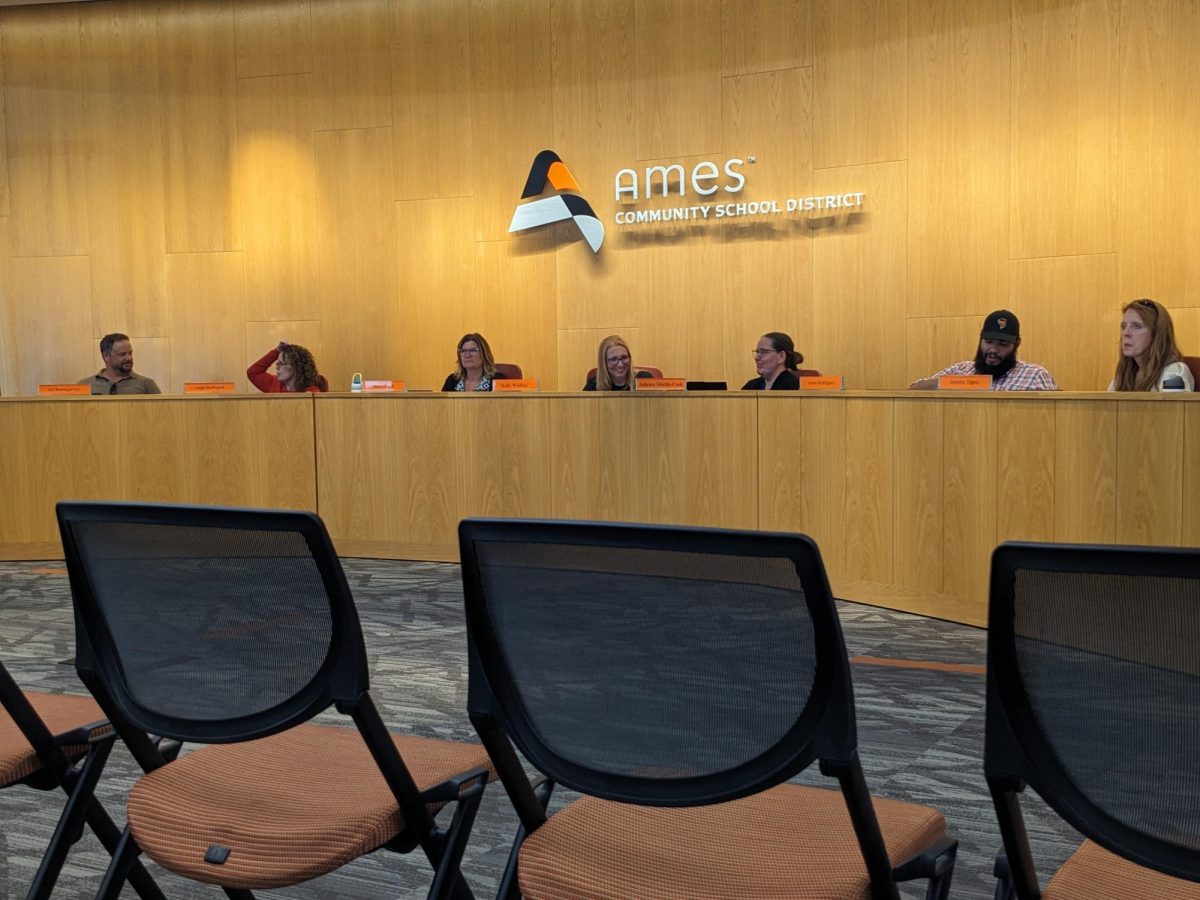
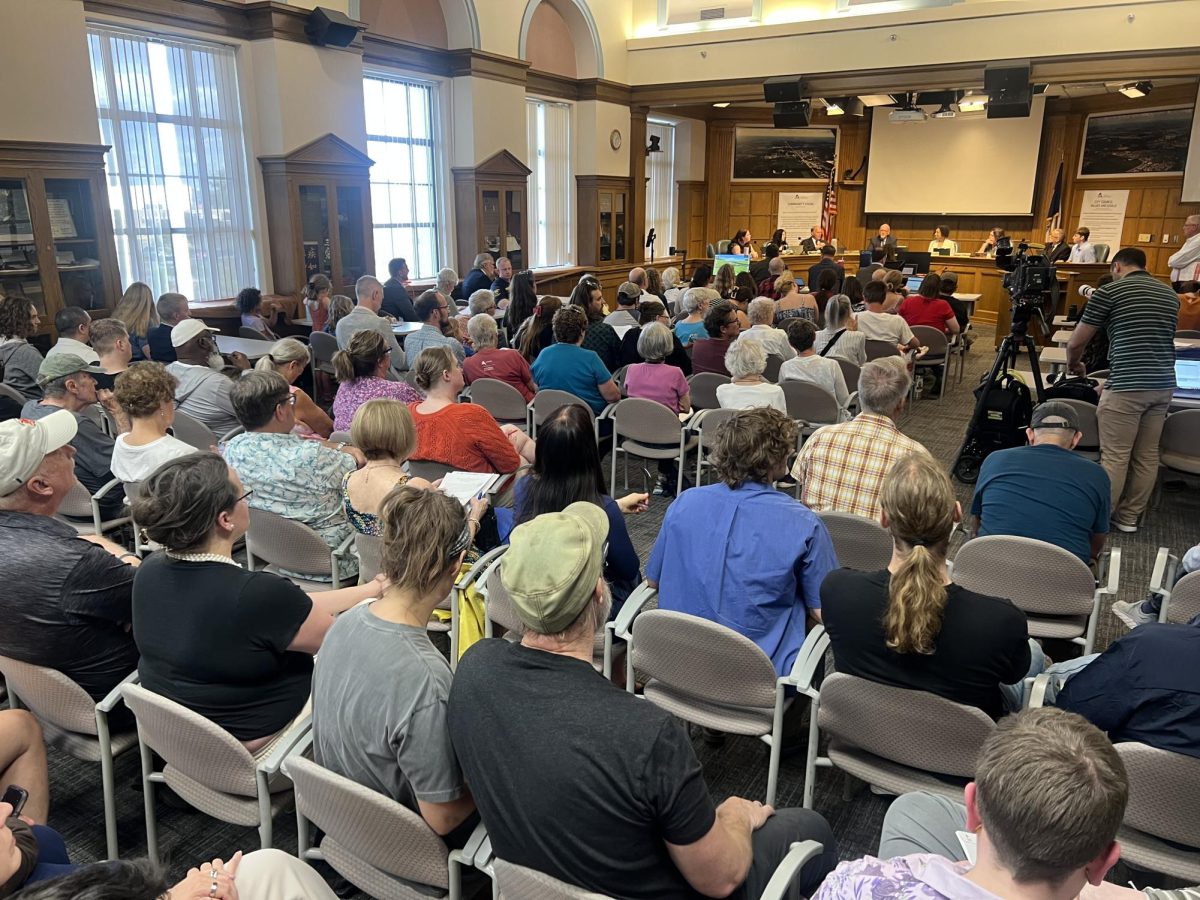
After hundreds of residents packed a listening session last month, the council discussed whether to tightly control the operation of data centers in the city.
The council met Tuesday to review a long-awaited legal memo that spells out exactly how far the city can go to limit these computer server facilities. The options on the table ranged from small rule changes to an outright ban.
The council approved a resolution to enact a temporary delay in approving data centers pending further study of the issue. The council was asked to bring questions it wants staff to research to its July 28 meeting.
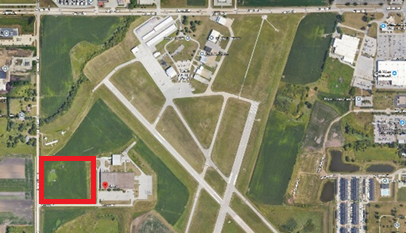
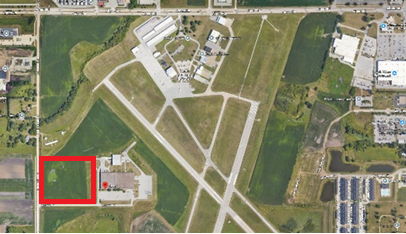
The data-center debate began in May, when the company Lightedge asked to negotiate a lease with the city to build a data center on city-owned land at the James Herman Banning Ames Municipal Airport. That request set off months of study and public meetings.
Long list of issues
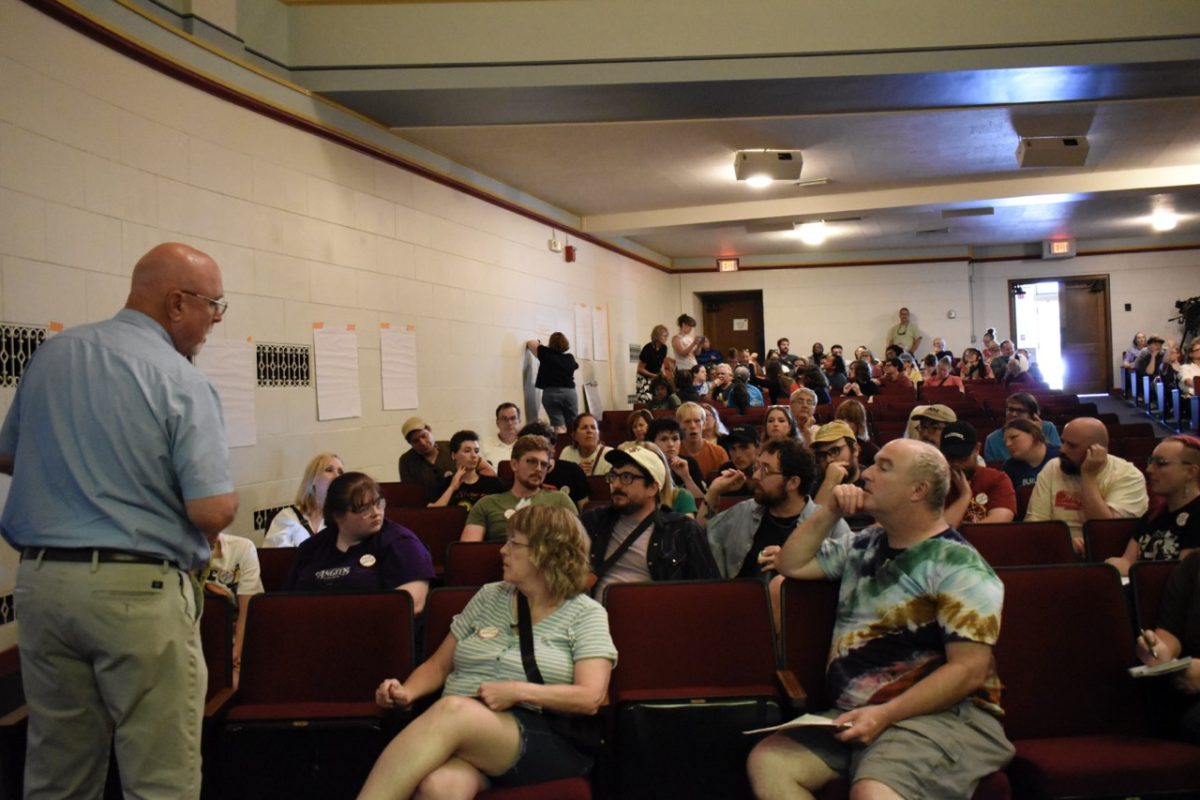
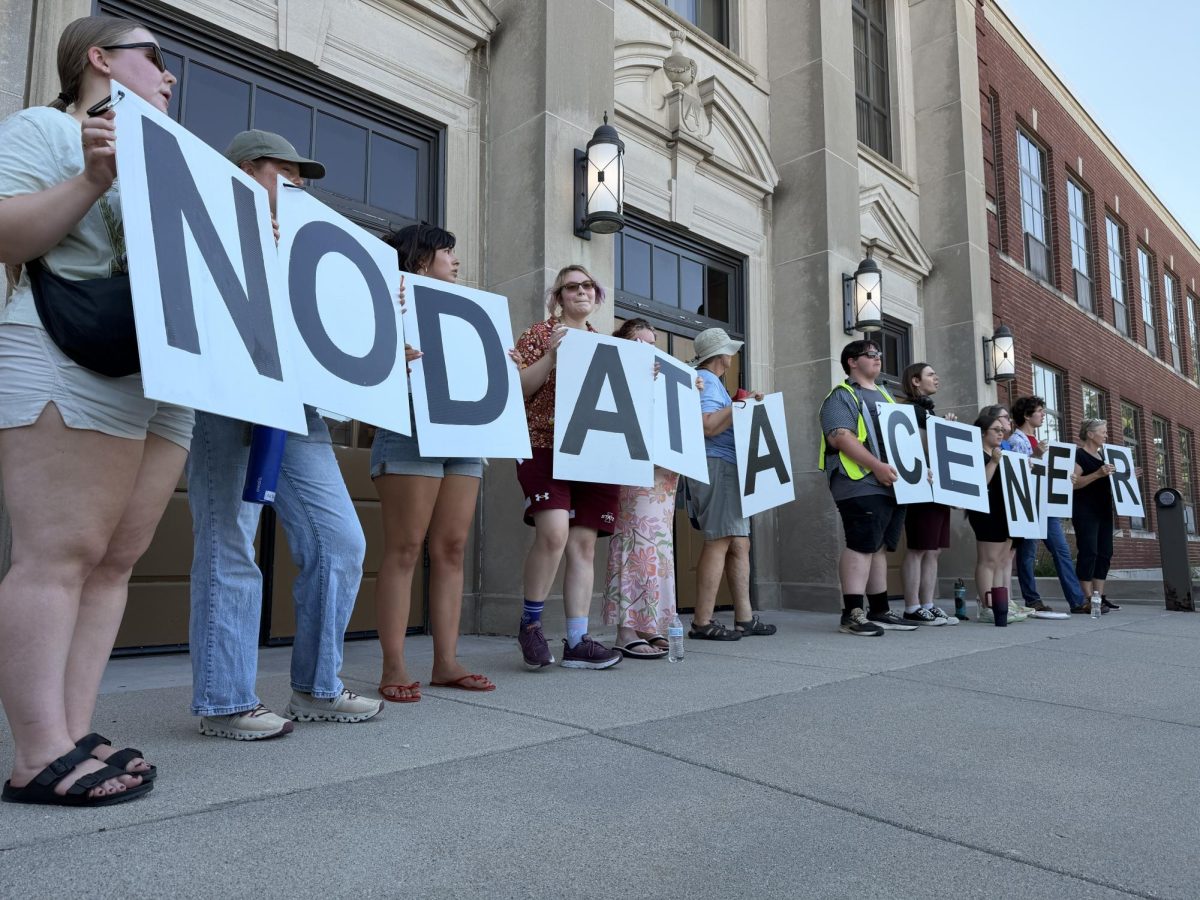
On June 30, about 400 people gathered at the community center gymnasium for a listening session about data centers. It was one of the largest turnouts for a city meeting in recent memory.
Attendees broke into small groups with council members and city staff. They filled out feedback forms, answered poll questions and listened as council members reported back on what their group had discussed.
“Staff sorted the feedback into several major areas of concern. Residents worried most about environmental harm, high electricity demand and water use and a lack of oversight or long-term planning for these facilities,” Assistant City Manager Brian Phillips said. “Noise, especially a constant low-frequency hum from cooling equipment, also came up often, along with questions about who would benefit economically and whether artificial intelligence itself posed risks worth considering.”
City attorney lays out options
City Attorney Mark Lambert prepared a detailed memo for the council. It explained what the city legally can and cannot do to control data centers under Iowa law.
The memo lists 14 possible actions. They include rewriting the zoning code so that data centers are treated as a separate category rather than lumped in with ordinary office buildings. The city could also limit where data centers are allowed to be built, based on their size or how they generate power and cool their equipment.
Other options focus on money. Right now, if a data center overwhelms the electric, water or sewer systems, the city could be stuck covering some of the cost of new infrastructure. The memo recommends closing that gap so large companies pay upfront for any expensive upgrades their operations require.
The memo also outlines two more paths:
The council could pass a temporary delay, pausing all new data center applications while it studies the issue further. Several Iowa counties, including Story County, have done this.
Or the council could pursue what the memo calls a permanent ban, though it notes that no ordinance is truly permanent since a future council could always undo it.
Staff recommendations
There are, at a minimum, four changes that make sense no matter what happens with the Lightedge proposal, Phillips said.
“Currently, we don’t have a zoning definition of what a data center is,” Phillips said. “First, the city should clearly define data centers in its zoning rules, separate from general office or data processing uses.”
Also, the city should update its electric, water and sewer rules so that large customers such as data centers pay in advance for infrastructure upgrades their operations require, rather than putting that financial risk on the city, Phillips said.
The council approved directing staff to proceed with making those changes.
Broader choices
“Changing regulations to more adequately capture noise from low-frequency sources could be another zoning tool the council could consider, along with increasing penalties relating to noise regulation,” Phillips said.
Beyond those items, staff said the council had broader choices. It could decide to leave zoning largely as is, or it could require every new data center to go through a rezoning process that gives the council more control over each individual project.
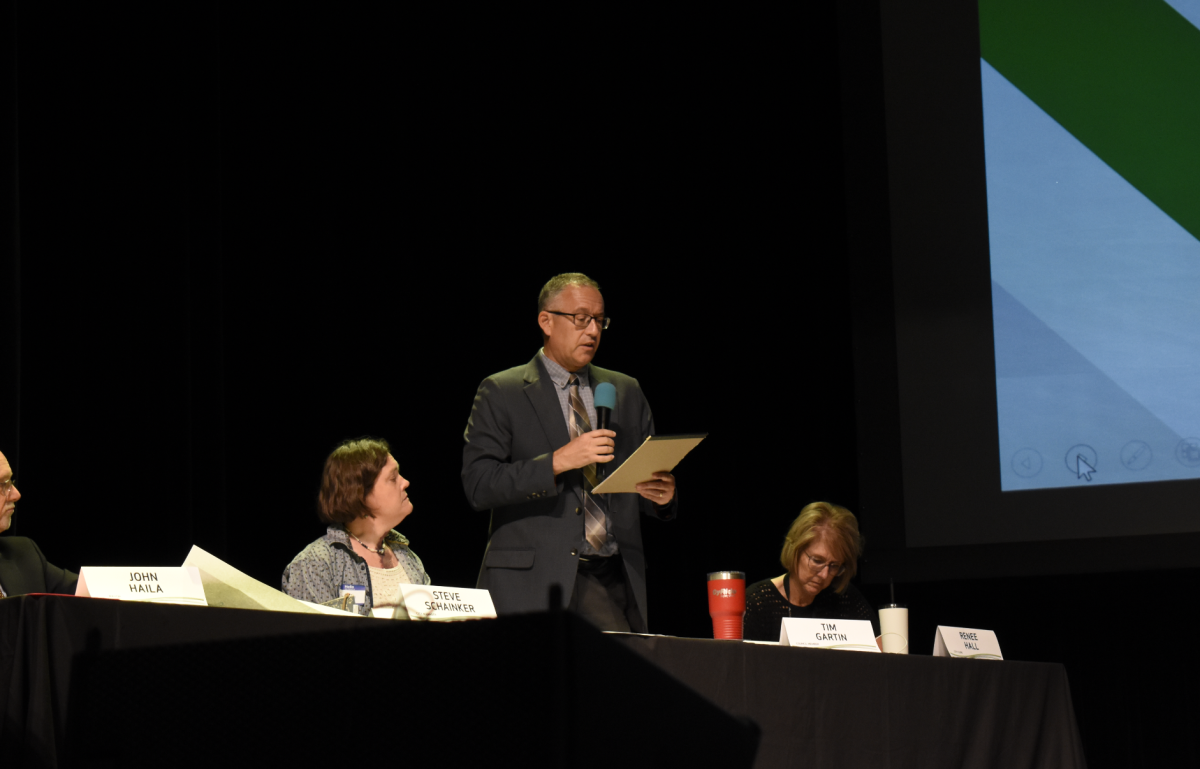
“How can we address the concern that residential customers not experience power brownouts or blackouts?” Mayor John Haila asked. “Also, how can we protect the residential customer from the expense of the municipal utility having to buy excess power from the grid to serve a data center or any other manufacturer?”
Ames Electric Manager Donald Kom said those concerns could be addressed in contracts with any new large electricity user.
‘Continue to listen’
Rep. Tim Gartin thanked city staff members for the comprehensive report on data centers.
“I have never seen in my 14 years on the council an issue where we have so much public input,” he said. “I think we owe it to the public to continue to listen to their concerns as we move forward.”
City staff noted a lease agreement with Lightedge would give Ames the most control over how that specific project gets built. Separately, if the council wants tighter oversight of any future data centers, staff suggested that requiring a full rezoning with a master plan would give the council the strongest tool to negotiate conditions on future projects.
More options
The council had three other paths forward.
- The council could have decided to act on some or all of the legal changes described in the attorney’s memo.
- The council could have authorized staff to begin negotiating a lease with Lightedge for the airport property. It would not have committed the city to final approval but would have allowed more details to emerge.
- The council could have turned down Lightedge’s request entirely, though staff warned the company could then look for another location in Ames.