
Iowa has a critical shortage of all health care workers, and it’s straining the state’s entire care system, from hospitals to nursing homes. It could also be impacting your health, especially if you’re in a rural area.
For Ames residents, the shortage makes it more challenging to find a primary care provider or see a specialist — leading to a negative impact on their health and longevity.
The shortages are especially prevalent in rural communities. Rural America – home to a fifth of Americans and more than a third of Iowans – has half as many doctors as urban areas per population. Studies have shown this chronic rural shortage of physicians has resulted in a 40% higher preventable hospitalization rate and a 23% higher mortality rate for rural Americans.
Living in rural areas, with shortages of physicians and health care workers, may be harmful to your health.
In response, a collaboration of health care organizations called the Iowa Rural Health Care Workforce Initiative (IRHWI) sought input from communities and health care workers around the state to “identify actionable solutions to address and improve the health care workforce by building off and amplifying existing resources and relationships.”
Iowa’s Shortage of Health Care Workers
Iowa has more than 5,400 open positions for registered nurses, 1,331 openings for physicians, 797 openings for nurse anesthetists and 689 openings for physical therapists, according to the Iowa Works website.
Iowa has a total of 75,000 job openings, according to the National Bureau of Labor Statistics. Of those, over 20% of the openings are in health care, according to Iowa Works.

In Ames, Mary Greeley Medical Center has 51 job openings for various health care workers, including 23 jobs for registered nurses, on its website. McFarland Clinic has more than 45 openings for health care workers, according Human Resources Director Matt Franco.
The clinic has 17 locations in rural Iowa and is also currently recruiting 23 physicians and seven advanced practice providers for Ames or its rural clinics.
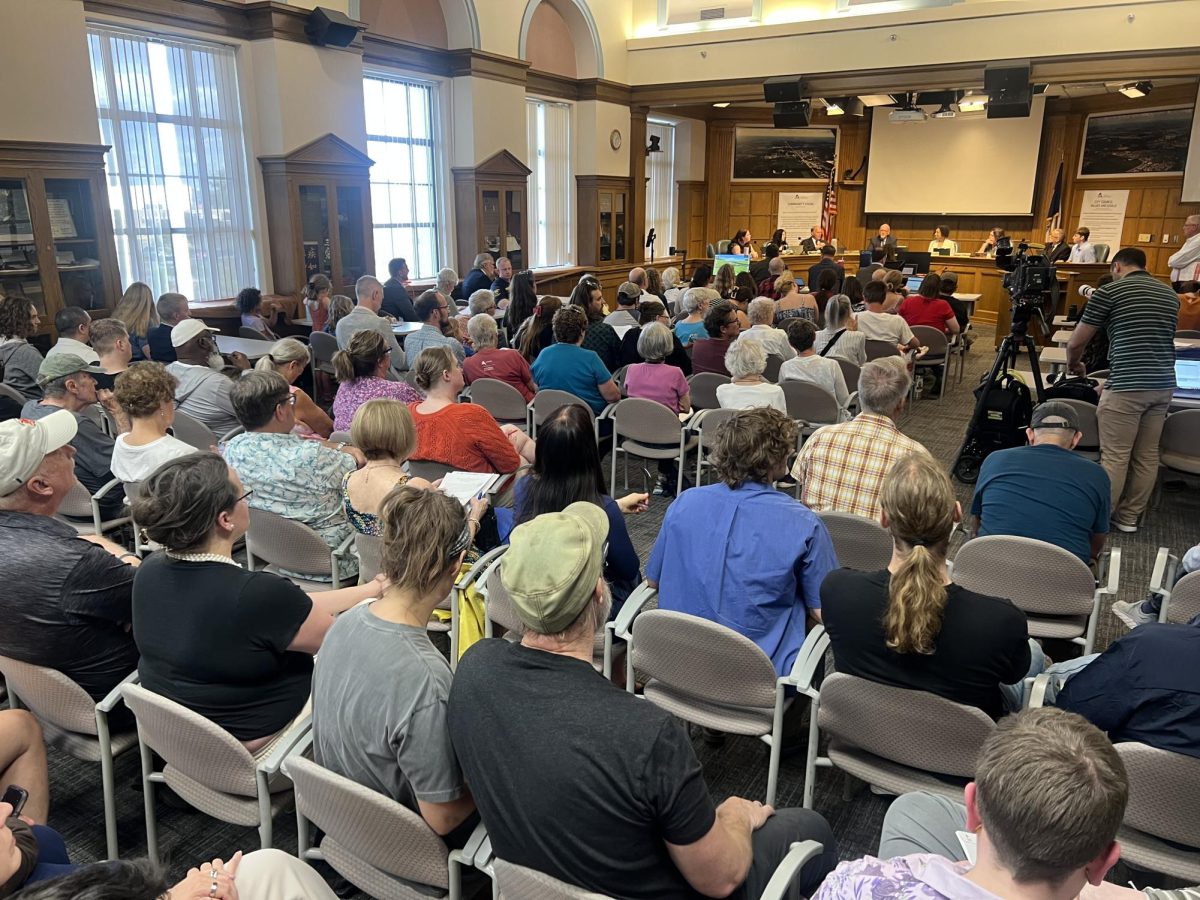
To address the rural health care shortage, IRHWI held one of four 2025 town hall meetings last month in Ames. During the meeting, the workforce initiative received more input from communities and local health care workers to build a strategic plan with four common, consistent goals:
- Recruitment
- Education and training
- Retention
- Sustainability
Kristina Seier, of the Iowa Medical Society and town hall moderator, thanked the attendees who gave input about how the workforce shortage looks in their areas, which will help IRHWI expand the strategic plan and increase options regarding “tactics and solutions that might work best to support organizations with recruitment and retention of their workforce.”
Specifically in Ames, McFarland Clinic brings 79 years of experience with recruiting and retaining physicians and a supporting staff of over 1,000 health care workers. The clinic’s goal has been keeping clinical practices sustainable in Iowa.
IRHWI will continue to “build a strategic plan and report which captures and outlines actions and tactics to be collaboratively advocated to advance the health care workforce in Iowa.”
That could help Iowa Iowa begin to make progress reducing the current crisis in the health care workforce — and improve the health and lives of thousands of Iowans.
Who is IRHWI?
IRHWI began as a collaborative leadership initiative in 2019 by the Iowa Medical Society, Iowa Hospital Association, Iowa Pharmacy Association and Iowa Primary Care Association.
Some of the organizations represented at the Ames town hall:
- Iowa Medical Society
- Iowa Board of Nursing
- University of Iowa Pharmacy Department
- Iowa Insurance Division
- Iowa Health Care Association
- Van Diest Medical Center
- Story Medical Center
- Iowa Specialty Hospital and Clinics
- Iowa Pharmacy Association
- Iowa State University Department of Digital Health
- Story County Board of Supervisors
- Iowa Primary Care Association
- Story County Public Health
- McFarland Clinic
- Mary Greeley Medical Center